

Una Oficina de Gestión de Emergencias y Comunicaciones es típicamente la función gubernamental responsable de prepararse para incidentes, coordinar acciones de respuesta y mantener operativos los canales de comunicación críticos cuando las personas más necesitan ayuda. En términos simples, conecta la planificación, el despacho, la coordinación sobre el terreno y las comunicaciones de seguridad pública en una sola estructura operativa.
En muchas ciudades y regiones, esta oficina trabaja entre bastidores mucho antes de que ocurra un incidente grave. Ayuda a elaborar planes de emergencia, apoya la coordinación entre agencias, gestiona los flujos de trabajo de comunicación y garantiza que las llamadas de emergencia, las instrucciones de despacho, las alertas y las actualizaciones de campo se transmitan rápidamente de un punto a otro.
Por qué el nombre incluye tanto Gestión de Emergencias como Comunicaciones
La gestión de emergencias se centra en la respuesta organizada
La gestión de emergencias es la parte que se prepara para tormentas, accidentes industriales, incidentes de seguridad pública, fallos en infraestructuras, interrupciones del transporte y otras emergencias. Abarca la preparación, los procedimientos de incidentes, las normas de coordinación y los pasos prácticos necesarios para mantener estables las operaciones durante una interrupción.
Introducción a soluciones relacionadas:Sistema de Comunicación de Emergencia
Esto significa que la oficina no se limita a reaccionar después de que algo salga mal. También apoya la prevención, la planificación, la formación, los simulacros, la continuidad y la coordinación de la recuperación para que los servicios de respuesta y los responsables de la toma de decisiones no partan de cero cuando ocurre un incidente.
Las comunicaciones mantienen abierta la vía de respuesta
Las comunicaciones son la capa operativa que permite que la información de emergencia fluya del público a la sala de control y de la sala de control a los equipos de respuesta. Esto puede incluir la gestión de llamadas de emergencia, sistemas de despacho, coordinación por radio, terminales de intercomunicación, sistemas de megafonía, herramientas de radiobúsqueda, comunicación móvil e interoperabilidad de red entre agencias.
Sin comunicaciones fiables, incluso un plan de emergencia bien redactado puede fallar en la práctica. Un incidente solo puede gestionarse eficazmente cuando la ruta de llamada, alerta, acuse de recibo, despacho y respuesta permanece disponible de extremo a extremo.
Un plan de emergencia define lo que debería suceder. Un sistema de comunicaciones ayuda a garantizar que realmente suceda bajo presión.
Qué suele hacer una Oficina de Gestión de Emergencias y Comunicaciones
Coordinación de incidentes y conciencia situacional
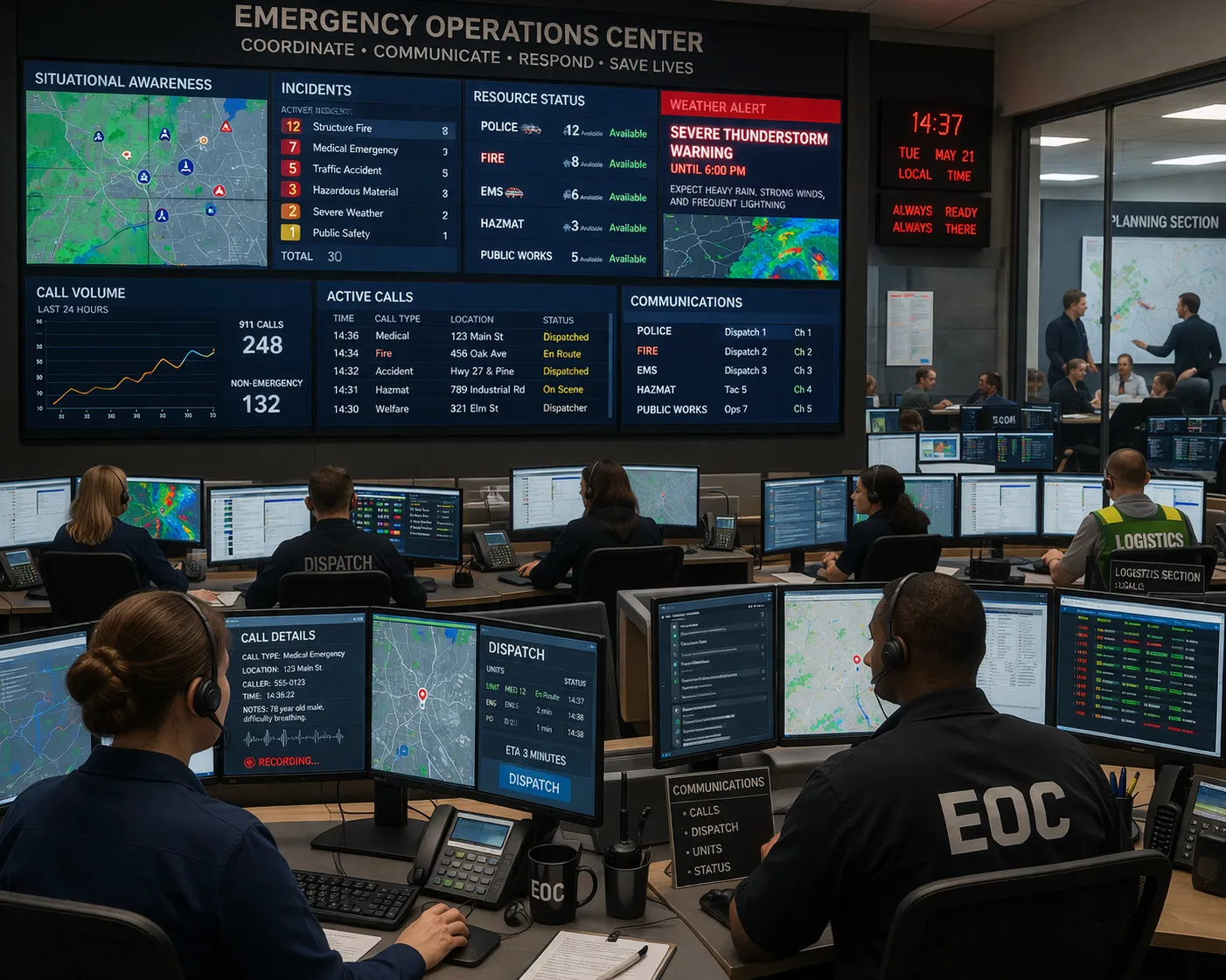
Una de las responsabilidades principales de la oficina es ayudar a diferentes equipos a ver la misma situación y actuar a partir de la misma imagen operativa. Durante una emergencia, eso puede implicar recopilar informes, confirmar el estado del incidente, hacer un seguimiento de los recursos, escalar eventos prioritarios y apoyar las decisiones desde un entorno operativo central.
Este rol de coordinación se vuelve especialmente importante cuando varias agencias deben trabajar juntas. Los bomberos, la policía, los equipos médicos, los operadores de instalaciones, el personal de transporte, el personal de seguridad y los equipos de obras públicas a menudo necesitan un flujo de información común en lugar de silos de comunicación aislados.
Gestión de llamadas de emergencia, despacho y alertas
Muchas oficinas de esta categoría están estrechamente vinculadas a la recepción de llamadas de emergencia, los flujos de trabajo de despacho y los procesos de alerta pública. Una vez que una persona informa de una emergencia, la información debe recibirse con claridad, clasificarse correctamente, enrutarse rápidamente y entregarse a los respondedores adecuados sin demora.
Ese proceso también puede incluir notificación masiva, radiobúsqueda por zonas, anuncios grabados, transmisiones de emergencia y actualizaciones de estado enviadas al personal de mando o a los departamentos relacionados. Cuanto más rápida y precisa sea la transmisión de la información, mejor tiende a ser el resultado de la respuesta.
Interoperabilidad entre sistemas y agencias
En incidentes reales, la comunicación rara vez se mantiene dentro de un solo tipo de dispositivo o de red. Una oficina moderna de gestión de emergencias y comunicaciones a menudo necesita conectar teléfonos, sistemas de radio, plataformas SIP, sistemas de radiobúsqueda, terminales de intercomunicación, consolas de despacho y terminales móviles.
La interoperabilidad no es solo una característica técnica. Es un requisito operativo. Cuando las agencias no pueden intercambiar información sin problemas, los tiempos de respuesta se alargan, las transferencias se complican y los equipos de campo pueden recibir instrucciones incompletas o tardías.
Qué sistemas suelen apoyar a esta oficina
Plataformas de sala de control y consolas de despacho
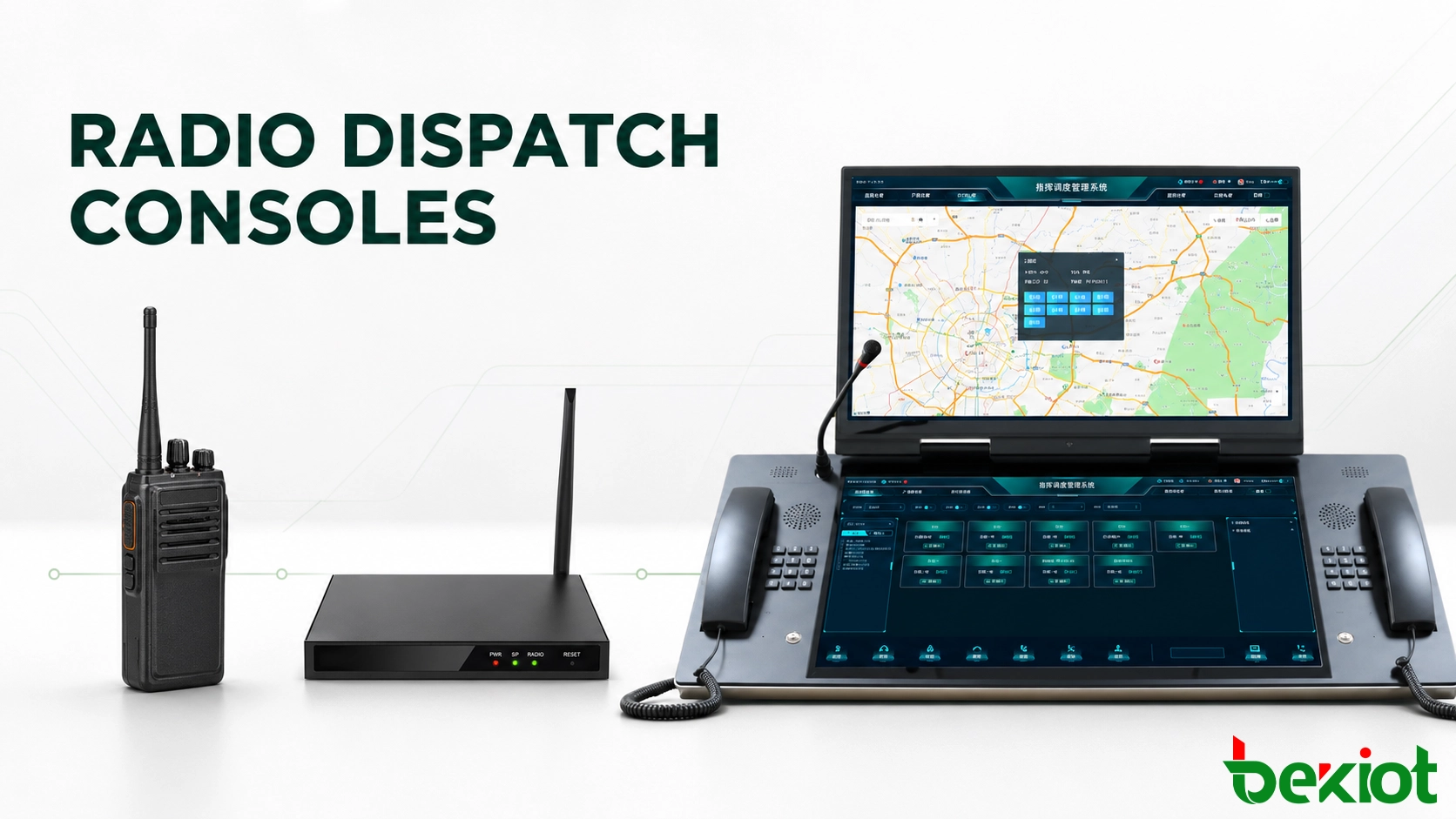
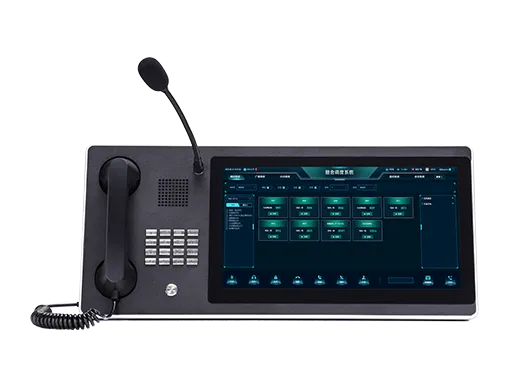
Un puesto de mando central o de despacho es a menudo donde se recibe, prioriza y distribuye la información. Puede ser necesario que los operadores respondan llamadas, consulten alarmas, supervisen canales de comunicación, transfieran incidentes, emitan avisos por zonas, escalen emergencias y se coordinen con múltiples departamentos al mismo tiempo.
Por eso, el software de despacho y las consolas de operador son tan importantes. Proporcionan al personal de emergencia un único lugar para gestionar las tareas de comunicación en lugar de alternar ciegamente entre herramientas inconexas.
Teléfonos de emergencia, intercomunicadores, megafonía y radiobúsqueda
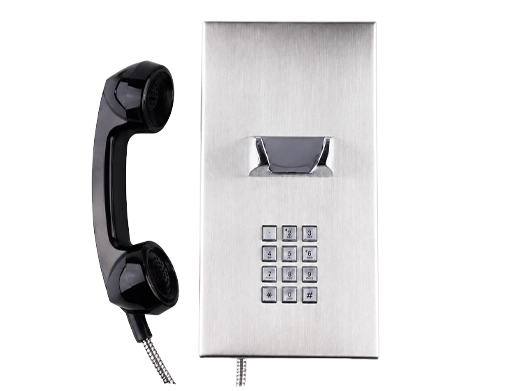
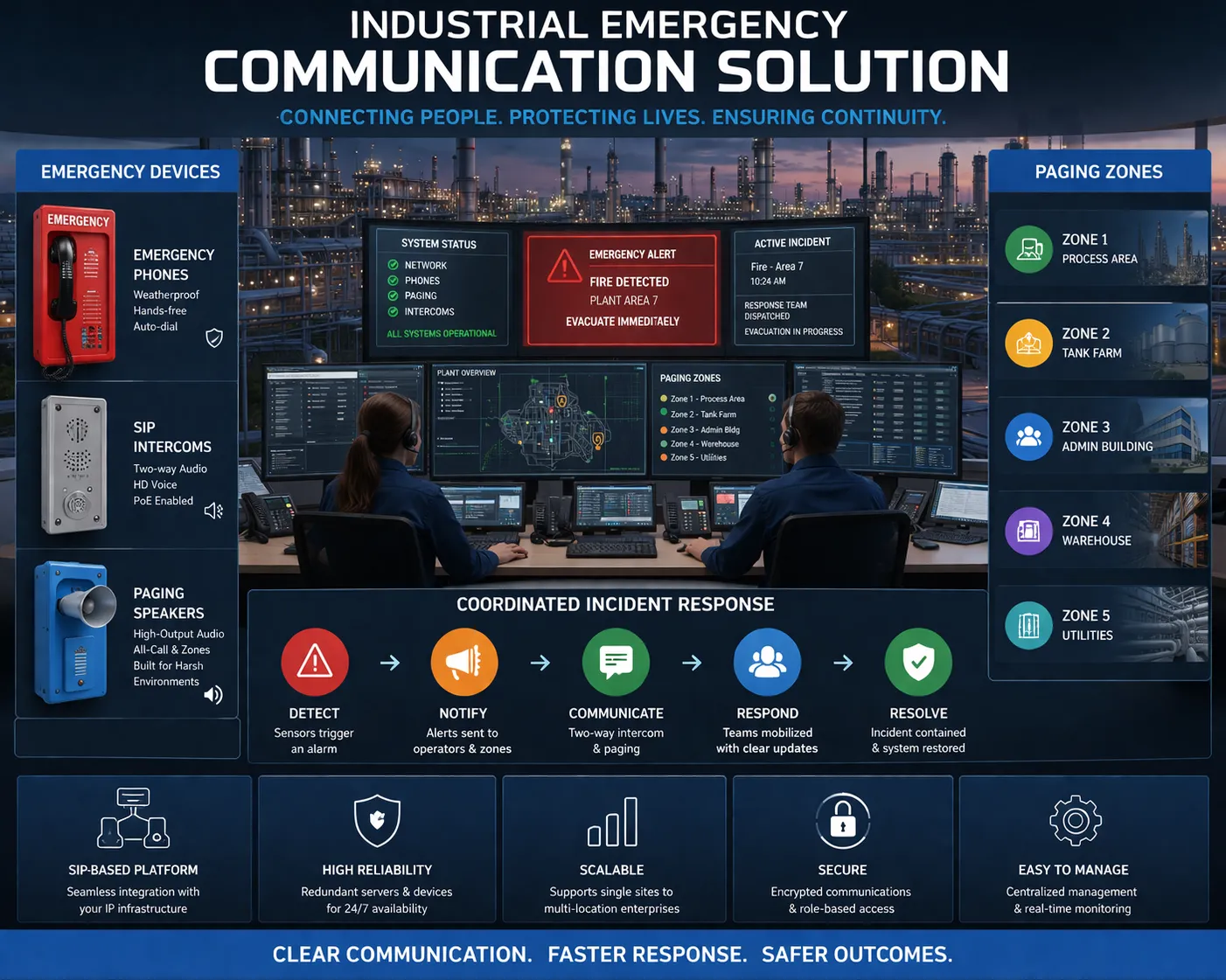
Los dispositivos de campo son igualmente importantes, ya que constituyen el primer punto de contacto en muchas emergencias. Pueden incluir postes de socorro en carretera, teléfonos de emergencia en túneles, estaciones de llamada en campus, intercomunicadores industriales, teléfonos estancos o antideflagrantes, altavoces de megafonía y puntos de pánico o asistencia.
La función de estos dispositivos es simple pero crítica: permitir que una persona en peligro o un operador del lugar se comunique con la sala de control de inmediato y con claridad, incluso en entornos ruidosos, al aire libre, industriales o de alto riesgo.
Integración IP, SIP, radio y pasarelas
Cada vez más organizaciones construyen la comunicación de emergencia en torno a la arquitectura IP y SIP, porque es más fácil de escalar, integrar y gestionar en grandes instalaciones o en múltiples ubicaciones. Al mismo tiempo, muchos entornos siguen dependiendo de la radio, las líneas analógicas, la radiobúsqueda tradicional o condiciones de red mixtas.
Por eso son importantes las pasarelas y la integración abierta. Ayudan a conectar capas de comunicación antiguas y nuevas para que la oficina pueda mantener la continuidad sin obligar a cada departamento a reemplazar todo de golpe.
El valor de una oficina de comunicaciones de emergencia no radica solo en contestar llamadas. Radica en garantizar que la información correcta llegue a las personas adecuadas a tiempo para actuar.
Por qué esto es importante para entornos industriales y grandes instalaciones
Las emergencias en instalaciones complejas requieren algo más que una sola línea telefónica
En oficinas, campus, centros de transporte, túneles, parques industriales, servicios públicos e instalaciones peligrosas, una emergencia puede afectar a múltiples ubicaciones, múltiples equipos y múltiples métodos de comunicación a la vez. Una sola llamada de voz puede no ser suficiente para coordinar la evacuación, enviar mantenimiento, notificar a seguridad y emitir instrucciones para toda el área.
Estos entornos necesitan una vía de respuesta más estructurada que combine la notificación de campo, la toma de decisiones en la sala de control, la radiobúsqueda grupal, la coordinación entre equipos y la disponibilidad fiable de los terminales.
La resiliencia del sistema afecta directamente a la calidad de la respuesta
Las comunicaciones de emergencia deben seguir funcionando bajo estrés. El ruido, el clima, los problemas de alimentación, los entornos hostiles, las interrupciones de la red y los daños en los equipos pueden afectar a que la ayuda llegue rápidamente. Por ese motivo, la fiabilidad de los dispositivos, el diseño de la red y la interoperabilidad de la plataforma son tan importantes como el propio mensaje.
Cuando los terminales de comunicación están preparados para el entorno e integrados en una plataforma unificada, las organizaciones están en mejores condiciones de reducir las llamadas perdidas, los retrasos en la escalada y las acciones de respuesta fragmentadas.
Cómo Becke Telcom apoya los escenarios de gestión de emergencias y comunicaciones
Para las organizaciones que necesitan una comunicación de emergencia fiable en entornos industriales o de grandes instalaciones, Becke Telcom ofrece soluciones que ayudan a conectar los dispositivos de campo, los puestos de operador, los sistemas de radiobúsqueda y los equipos de respuesta a través de una arquitectura de comunicación unificada.
Dependiendo del lugar, esto puede incluir teléfonos industriales de emergencia, terminales de intercomunicación SIP, radiobúsqueda IP, sistemas de megafonía, consolas de despacho de operador, pasarelas de comunicación y flujos de trabajo de mando integrados. El objetivo no es simplemente añadir más dispositivos, sino crear una vía de respuesta que sea más fácil de alcanzar, más fácil de gestionar y más fiable bajo presión.
Este tipo de enfoque es especialmente valioso en entornos de transporte, servicios públicos, manufactura, petroquímica, minería, campus y otros entornos críticos donde la continuidad de la comunicación afecta directamente a la seguridad, la coordinación y el control operativo.
Conclusión
Una Oficina de Gestión de Emergencias y Comunicaciones se entiende mejor como la función que ayuda a que la información de emergencia pase de la planificación a la acción. Reúne la preparación, la gestión de llamadas, el despacho, la interoperabilidad y las comunicaciones de campo para que los incidentes se notifiquen con claridad, se gestionen de forma centralizada y se responda a ellos con rapidez.
A medida que los entornos de emergencia se vuelven más conectados y complejos, el papel de esta oficina cobra aún más importancia. Una buena planificación es importante, pero una comunicación sólida es lo que convierte la planificación en una respuesta coordinada.
Si su organización está construyendo o actualizando un entorno de comunicación de emergencia para un campus, una instalación industrial, una red de transporte o una instalación pública, Becke Telcom puede apoyar una vía más integrada desde la notificación de incidentes hasta el mando y la respuesta.
PREGUNTAS FRECUENTES
¿Es una Oficina de Gestión de Emergencias y Comunicaciones lo mismo que un centro 911?
No siempre. En algunas jurisdicciones, puede incluir o colaborar estrechamente con las funciones de recepción de llamadas y despacho del 911. En otras, puede centrarse de forma más amplia en la planificación, la coordinación, las alertas públicas y el apoyo a la comunicación entre agencias.
¿Cuál es la diferencia entre gestión de emergencias y comunicaciones de emergencia?
La gestión de emergencias se centra en la preparación, la coordinación y los procedimientos de incidentes. Las comunicaciones de emergencia se centran en los sistemas y flujos de trabajo que transmiten llamadas, alertas, instrucciones de despacho y actualizaciones operativas entre las personas y las agencias.
¿Por qué es importante la interoperabilidad en las comunicaciones de emergencia?
Porque los incidentes reales suelen involucrar a múltiples equipos, redes y tipos de dispositivos. La interoperabilidad ayuda a que la información de emergencia se mueva a través de esas fronteras sin demoras innecesarias, confusión o soluciones manuales improvisadas.
¿Qué tipos de dispositivos suelen formar parte de una solución de comunicación de emergencia?
Los dispositivos comunes incluyen teléfonos de emergencia, intercomunicadores SIP, altavoces de megafonía, terminales de radiobúsqueda, consolas de despacho, radios, pasarelas y plataformas de software de mando que conectan los puntos de notificación con los equipos de respuesta.