
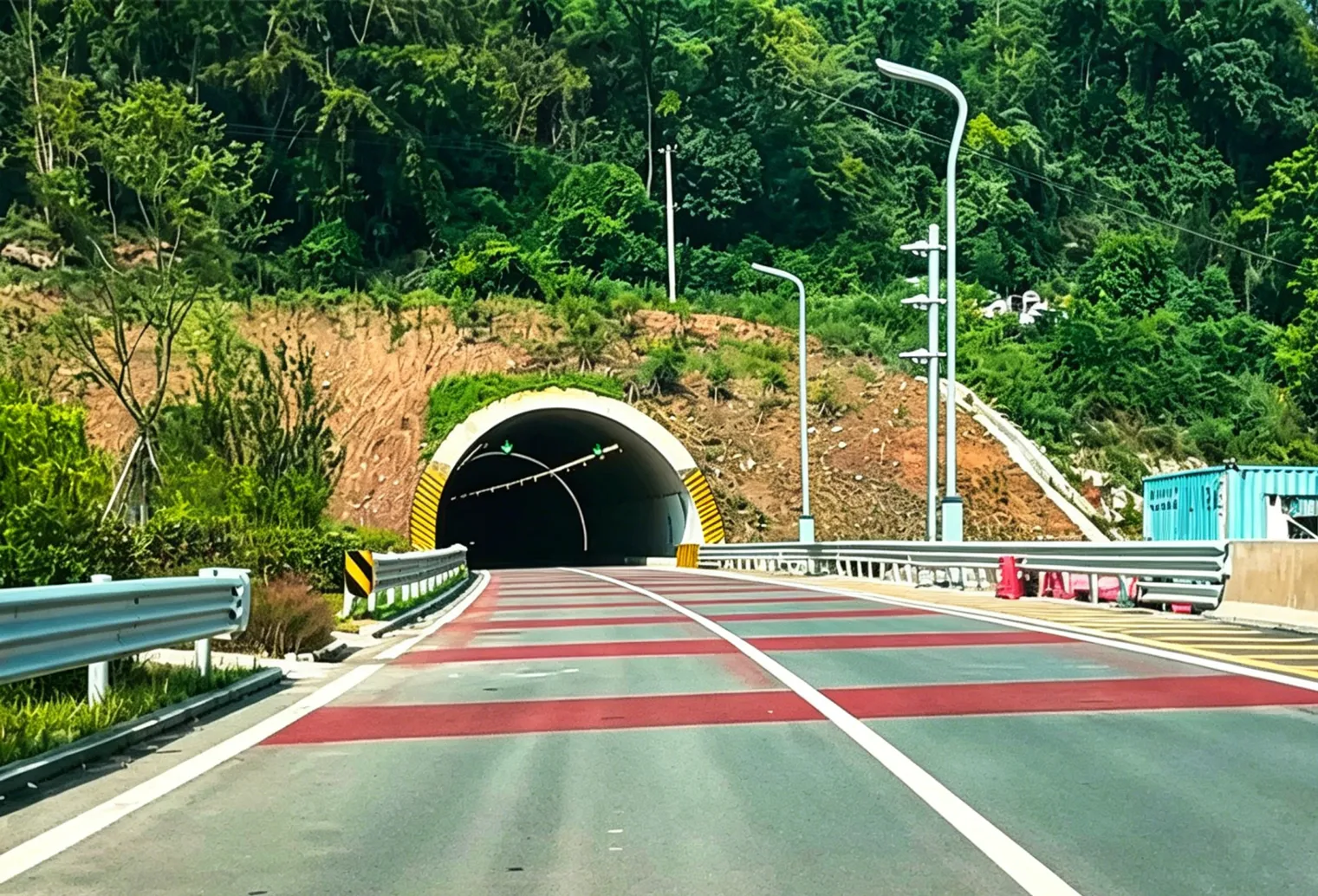
Túnel
Solución de comunicación de emergencia para un proyecto de túnel de servicios públicos subterráneo en Suzhou
Este proyecto de túnel de servicios públicos subterráneo en Suzhou está diseñado para albergar una variedad de tuberías de servicios públicos municipales, incluyendo líneas de suministro de agua, drenaje, electricidad, gas, telecomunicaciones, y radio y televisión. El proyecto también incluye un centro de monitoreo a nivel municipal.
Al hacer un uso efectivo del espacio subterráneo, el túnel de servicios públicos ayuda a maximizar la eficiencia del suelo urbano y apoya los objetivos de desarrollo verde del sector de vivienda y construcción urbano-rural.
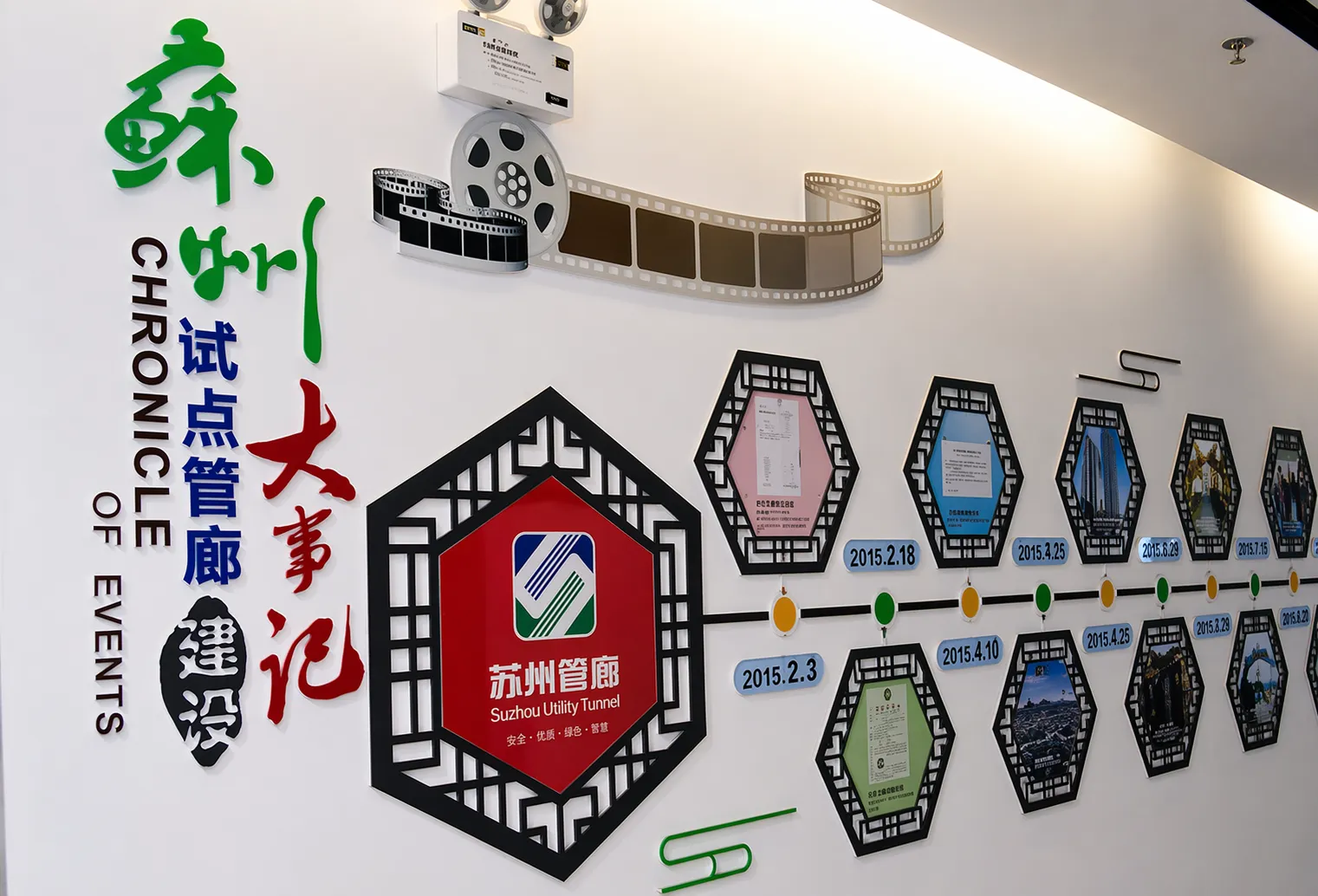
Un túnel de servicios públicos completo contiene no solo tuberías de servicios públicos municipales como suministro de agua, drenaje, energía, gas, telecomunicaciones y líneas de radiodifusión, sino también muchos sistemas de soporte que incluyen distribución de energía, iluminación y equipos de vigilancia. Como resultado, la carga de trabajo de inspección, mantenimiento y reparación dentro del túnel es sustancial.
Debido a que el túnel de servicios públicos está ubicado bajo tierra y separado de la superficie por una distancia significativa, las redes de comunicación móvil no se pueden utilizar dentro del túnel. Por lo tanto, durante la instalación de tuberías, la operación diaria y el mantenimiento, un sistema de comunicación dedicado para el túnel de servicios públicos se convierte en uno de los sistemas de soporte más críticos para una operación segura y eficiente.
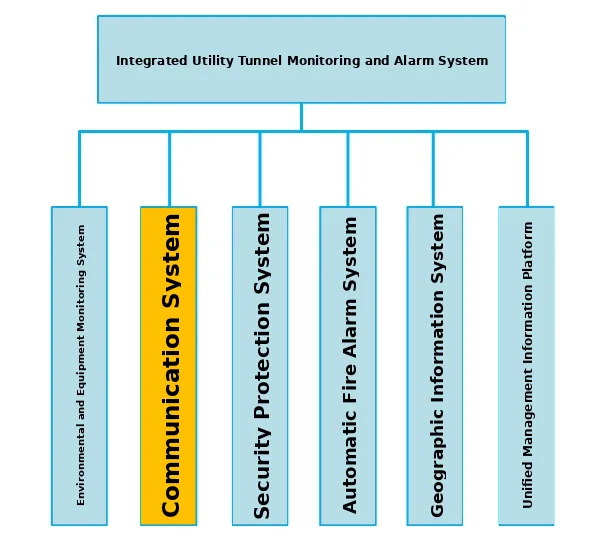
El proyecto requería la implementación de un sistema de comunicación de emergencia para el túnel de servicios públicos. El sistema consiste en una plataforma de comando y despacho del centro de monitoreo y teléfonos de túnel de servicios públicos. En este proyecto, Becke Communication proporcionó los teléfonos de túnel de servicios públicos.
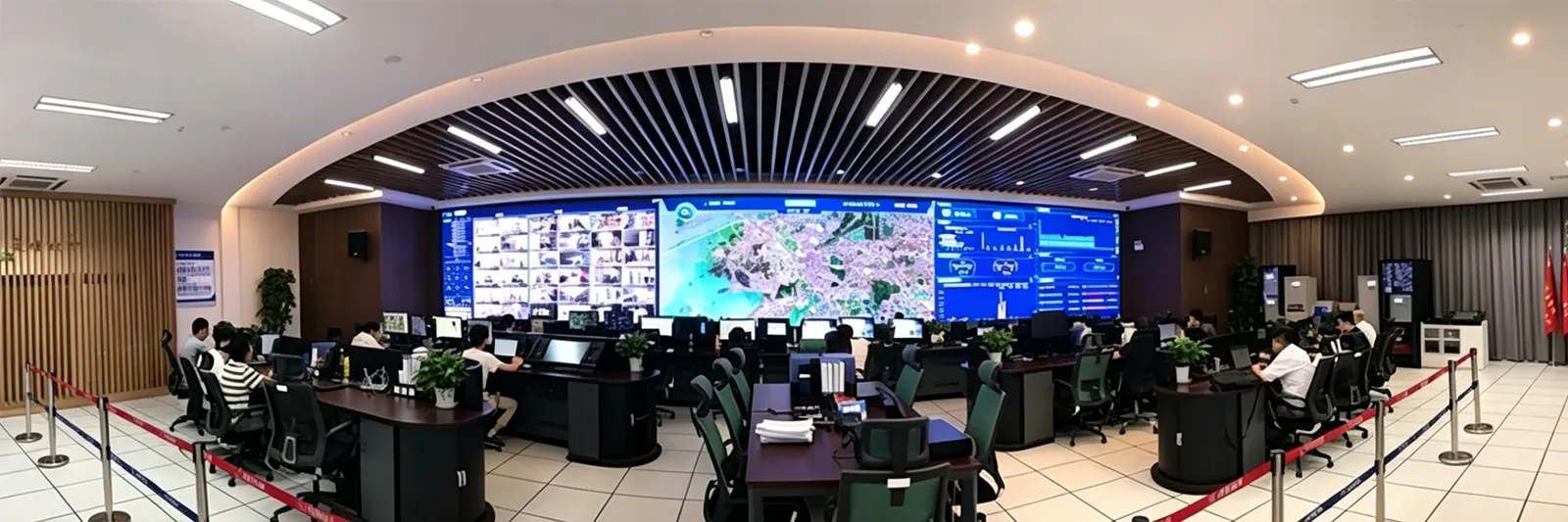
Se implementa una plataforma de despacho visual en el centro de monitoreo del túnel de servicios públicos para gestionar de forma centralizada los terminales de vigilancia y comunicación distribuidos por todo el túnel. El centro de monitoreo utiliza una gran pantalla de visualización para realizar un monitoreo de video en tiempo real del túnel, asegurando que se puedan tomar medidas de emergencia inmediatamente en caso de un incidente.
Cuando el centro de monitoreo recibe una llamada de ayuda del personal dentro del túnel, puede acceder instantáneamente al video de la cámara más cercana para identificar la ubicación y la naturaleza del incidente. Después de confirmar la información de la alarma, los operadores pueden usar la consola de despacho para iniciar una megafonía por zonas, anuncios en toda la línea o radiodifusión de emergencia en todo el túnel.
Cuando el centro de monitoreo necesita contactar al personal del túnel, puede llamar al número de un grupo de altavoces de interfonía. Todos los teléfonos en el grupo llamado transmitirán a través de sus altavoces integrados. El personal del túnel puede entonces ir al teléfono de túnel de servicios públicos más cercano y contestar la llamada levantando el auricular. Una vez que se contesta un teléfono, la transmisión en los otros teléfonos del grupo se detiene automáticamente, y se establece una conversación bidireccional entre el centro de monitoreo y la parte que responde.
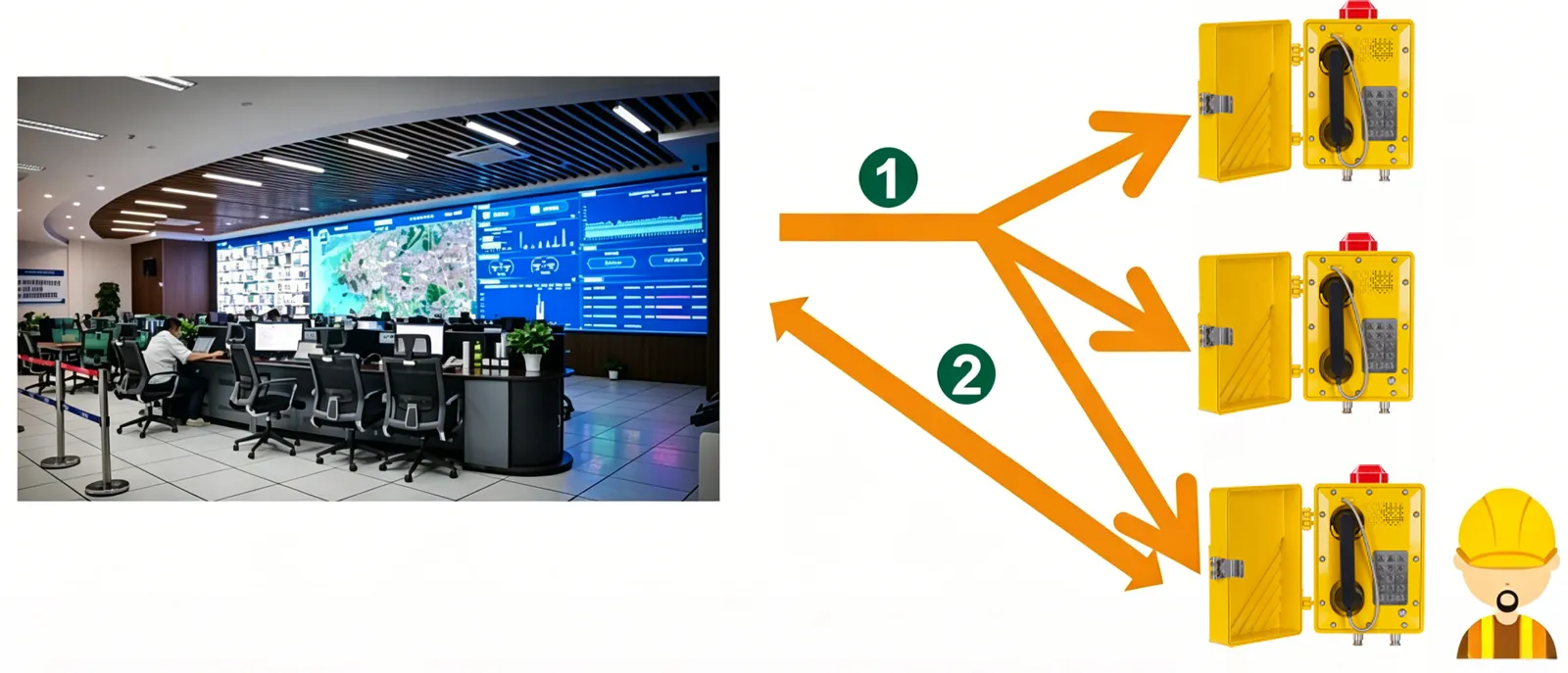
Los teléfonos de túnel de servicios públicos se instalan a intervalos regulares a lo largo del túnel, asegurando que la capacidad de llamada de emergencia esté disponible en toda la ruta. El personal dentro del túnel también puede usar estos teléfonos para comunicación bidireccional por interfonía entre ellos.
En caso de una emergencia, el personal del túnel puede usar el teléfono de túnel de servicios públicos más cercano para contactar al centro de monitoreo de inmediato. Los teléfonos de túnel de servicios públicos están equipados con luces de advertencia y altavoces impermeables. Después de que el centro de monitoreo confirma la alarma, puede activar la luz de advertencia para activar alertas audibles y visuales, mientras también inicia mensajes de transmisión preestablecidos para guiar al personal en el sitio a evacuar de manera rápida y segura.
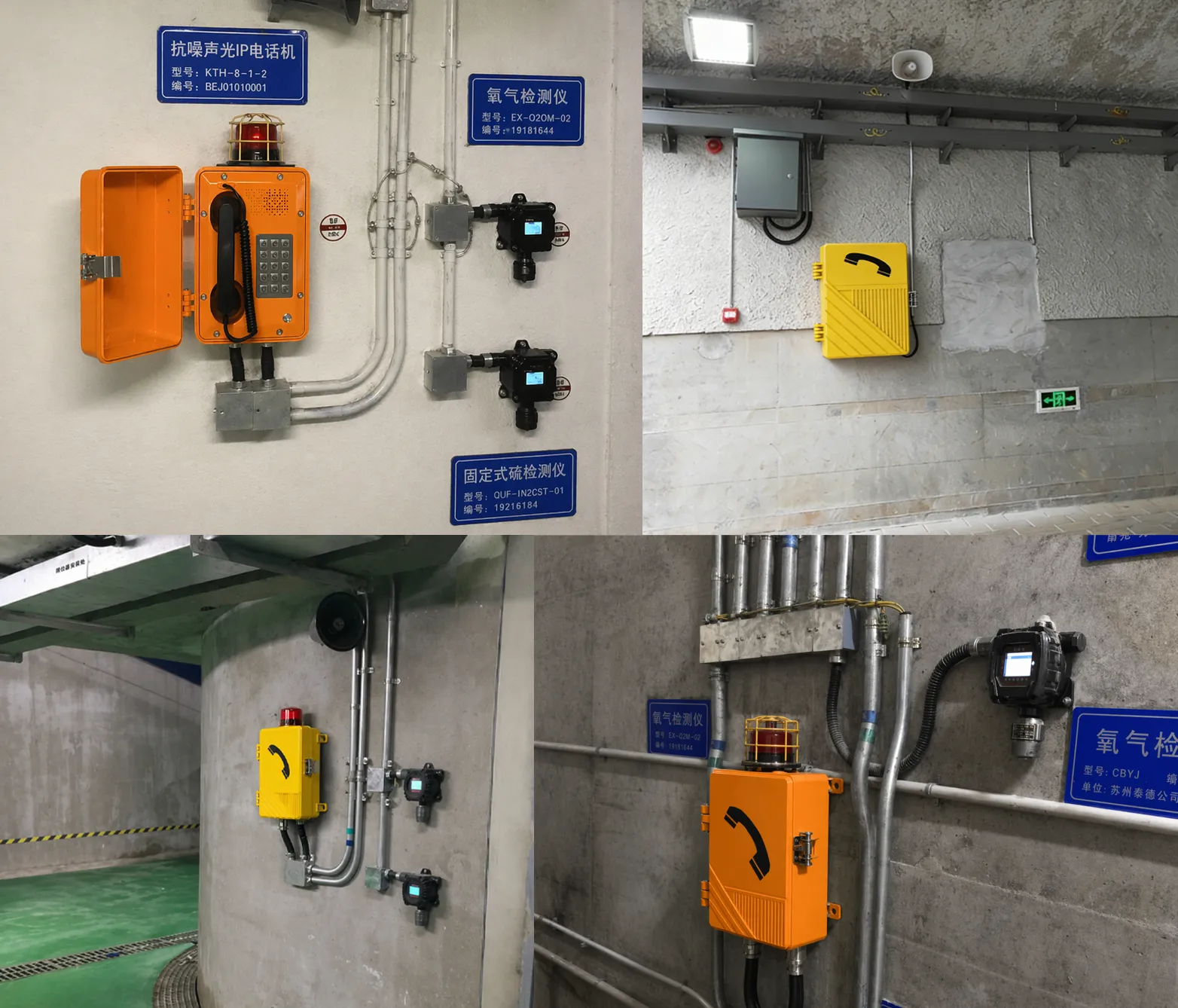
Debido a que cada compartimento de aplicación dentro del túnel de servicios públicos alberga tuberías de servicios públicos municipales críticas, todos los dispositivos telefónicos de emergencia desplegados en el túnel deben proporcionar protección de grado industrial contra agua, polvo, corrosión y oxidación.
También se requieren diferentes modelos de teléfono para diferentes entornos de túnel. En el compartimento de energía, el proyecto utiliza el teléfono industrial impermeable Becke EX-BT27 con protección impermeable y anticorrosión. En el compartimento de gas, el proyecto utiliza el teléfono a prueba de explosiones EX-BH621 para cumplir con los requisitos de seguridad de áreas peligrosas.
El sistema de comunicación de emergencia para el túnel de servicios públicos puede satisfacer las necesidades de comunicación móvil del personal de diferentes departamentos que trabajan dentro del túnel. Establece un entorno de comunicación flexible y confiable para el personal de mantenimiento, el personal de guardia y los trabajadores de patrulla dentro del túnel, al mismo tiempo que garantiza la comunicación directa con los operadores de la sala de control y el personal de gestión.