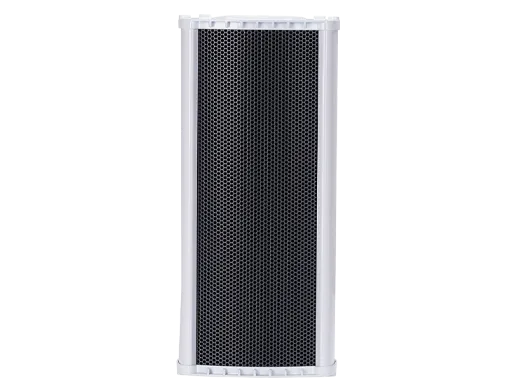
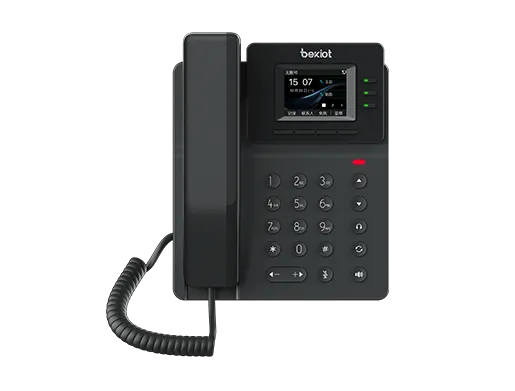
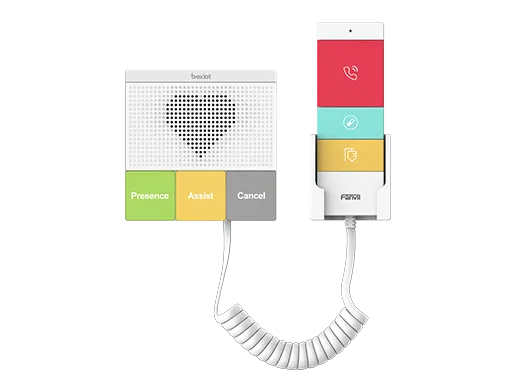
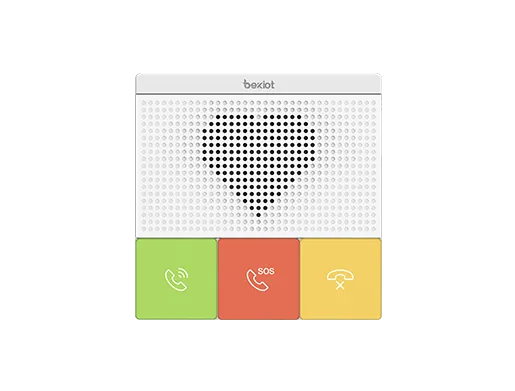
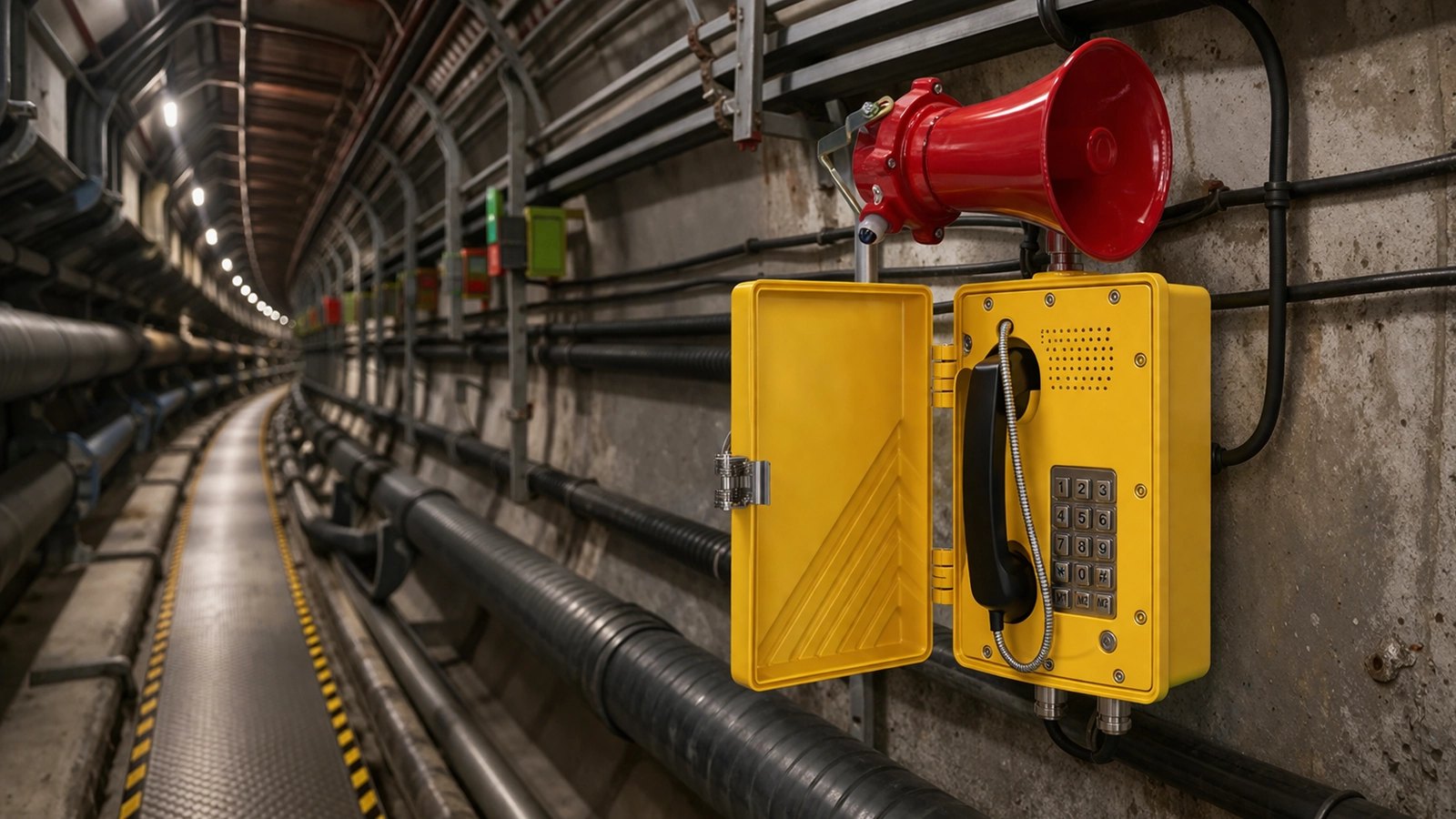
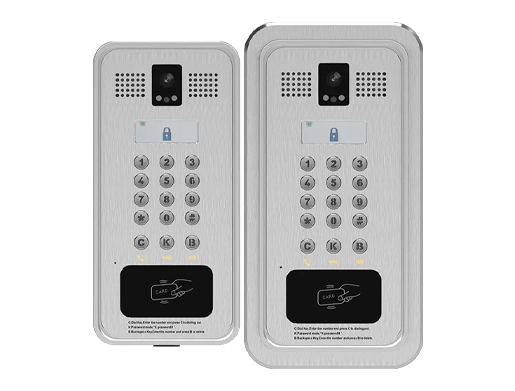
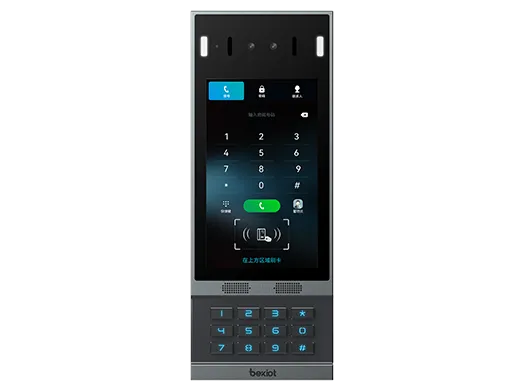
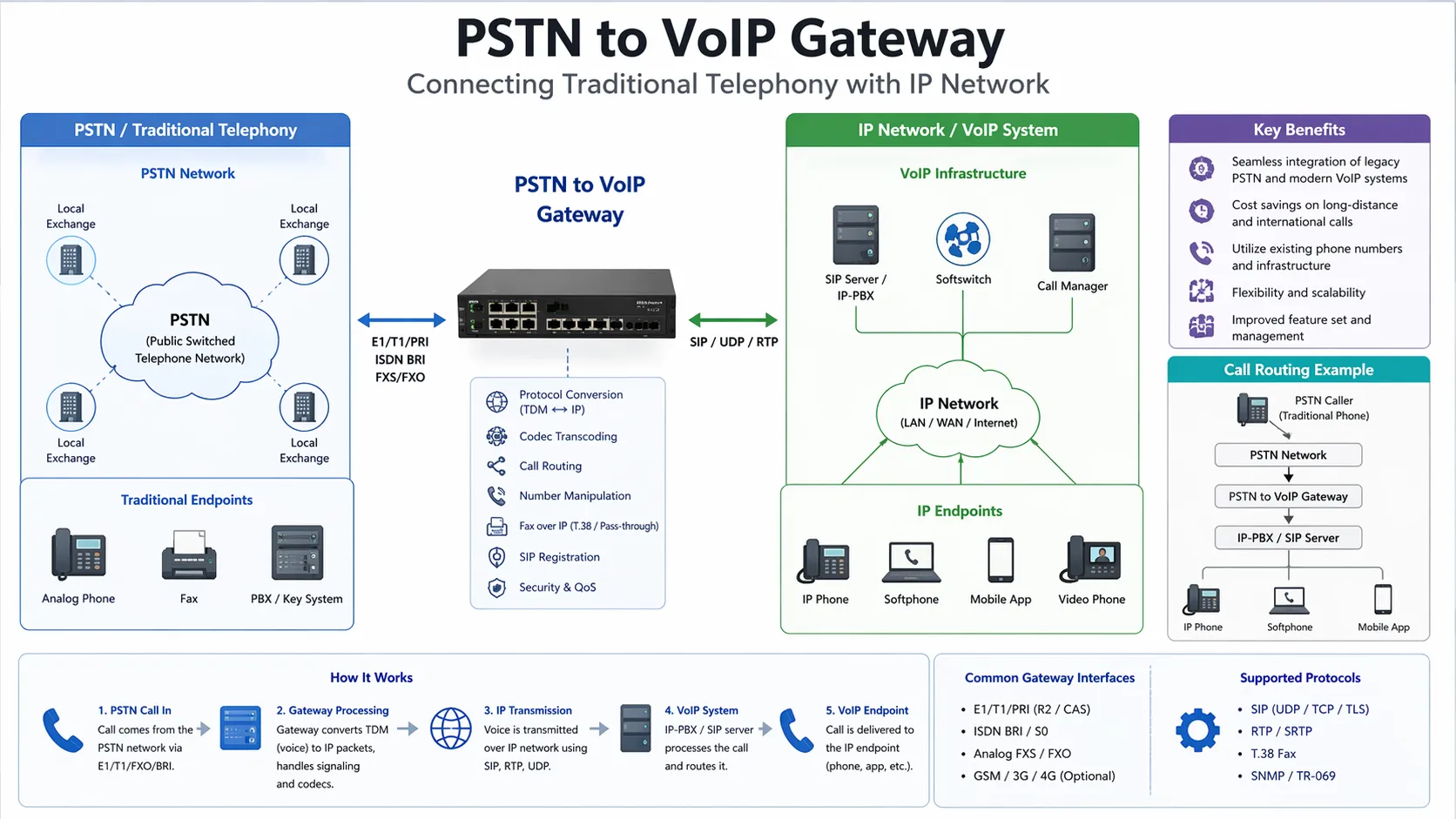
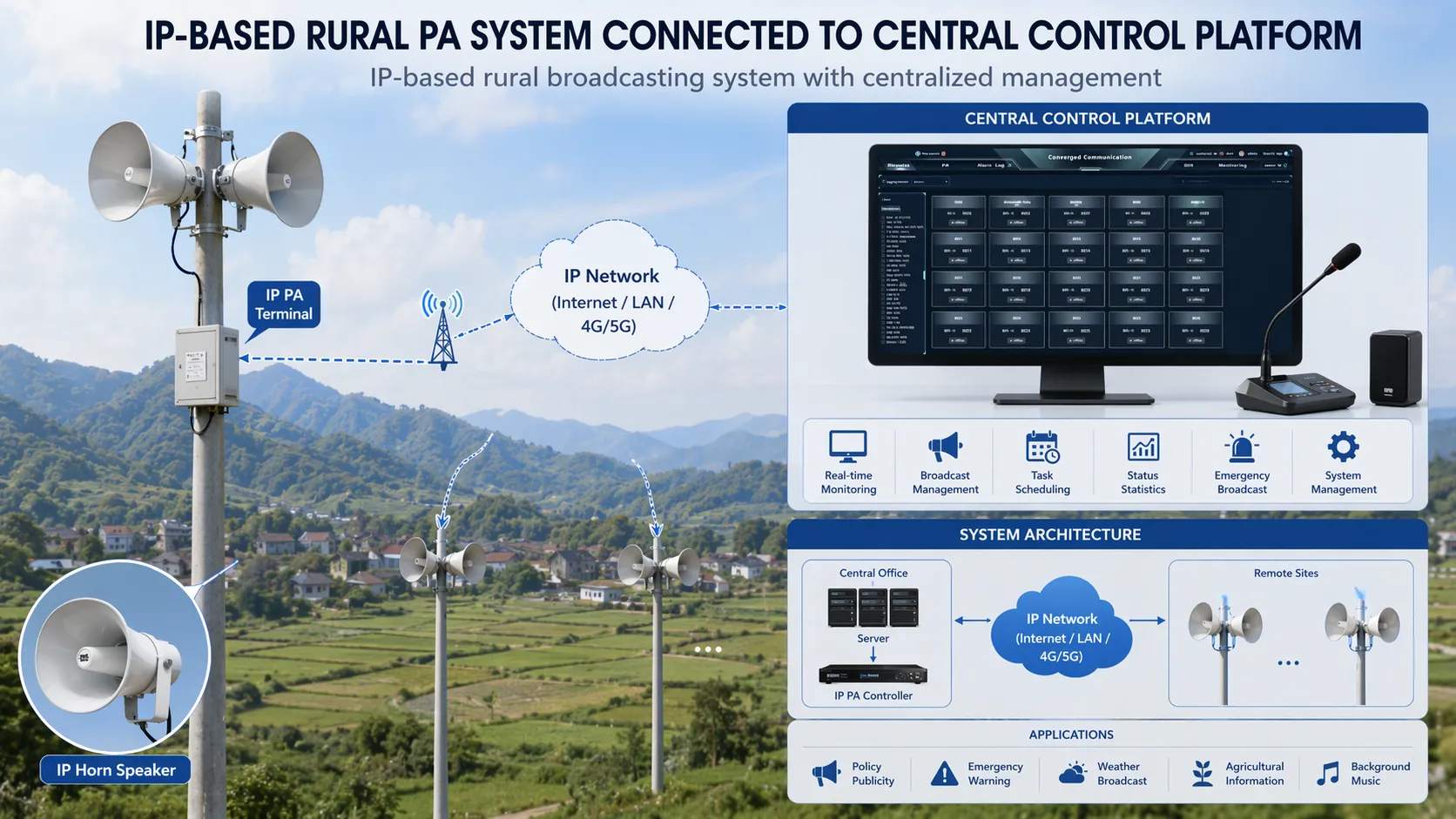
Hands-free calling is a communication feature that allows users to make and receive calls without physically holding or operating a handset. It typically uses built-in microphones, speakers, or external audio devices to enable voice communication while keeping the user’s hands free for other tasks. This feature is widely used in desk phones, IP phones, mobile devices, vehicles, intercom systems, and industrial communication environments.
In modern communication systems, hands-free calling plays an important role in improving convenience, safety, and efficiency. It allows users to continue working, driving, or performing operational tasks while staying connected. From office collaboration to emergency response scenarios, hands-free functionality has become a standard expectation in many communication devices.
Hands-free calling enables communication without physical interaction, improving both convenience and operational safety.
Understanding the Meaning of Hands-Free Calling
Hands-free calling removes the need for a handset
Traditional telephony requires users to pick up a handset or hold a mobile phone to their ear. Hands-free calling eliminates this requirement by using speakerphone functionality or connected audio systems. The user can speak and listen through external audio components while the device remains stationary.
This design is especially useful in environments where users need mobility or must keep their hands available for work, such as driving, operating machinery, or managing equipment.
The feature is widely integrated into modern communication systems
Hands-free calling is now a standard feature in many devices, including IP phones, SIP intercoms, smartphones, conference systems, and vehicle communication systems. It is also commonly integrated into unified communications platforms, allowing seamless switching between handset mode and speaker mode.
Because of its versatility, hands-free calling is used across both personal and professional communication scenarios.
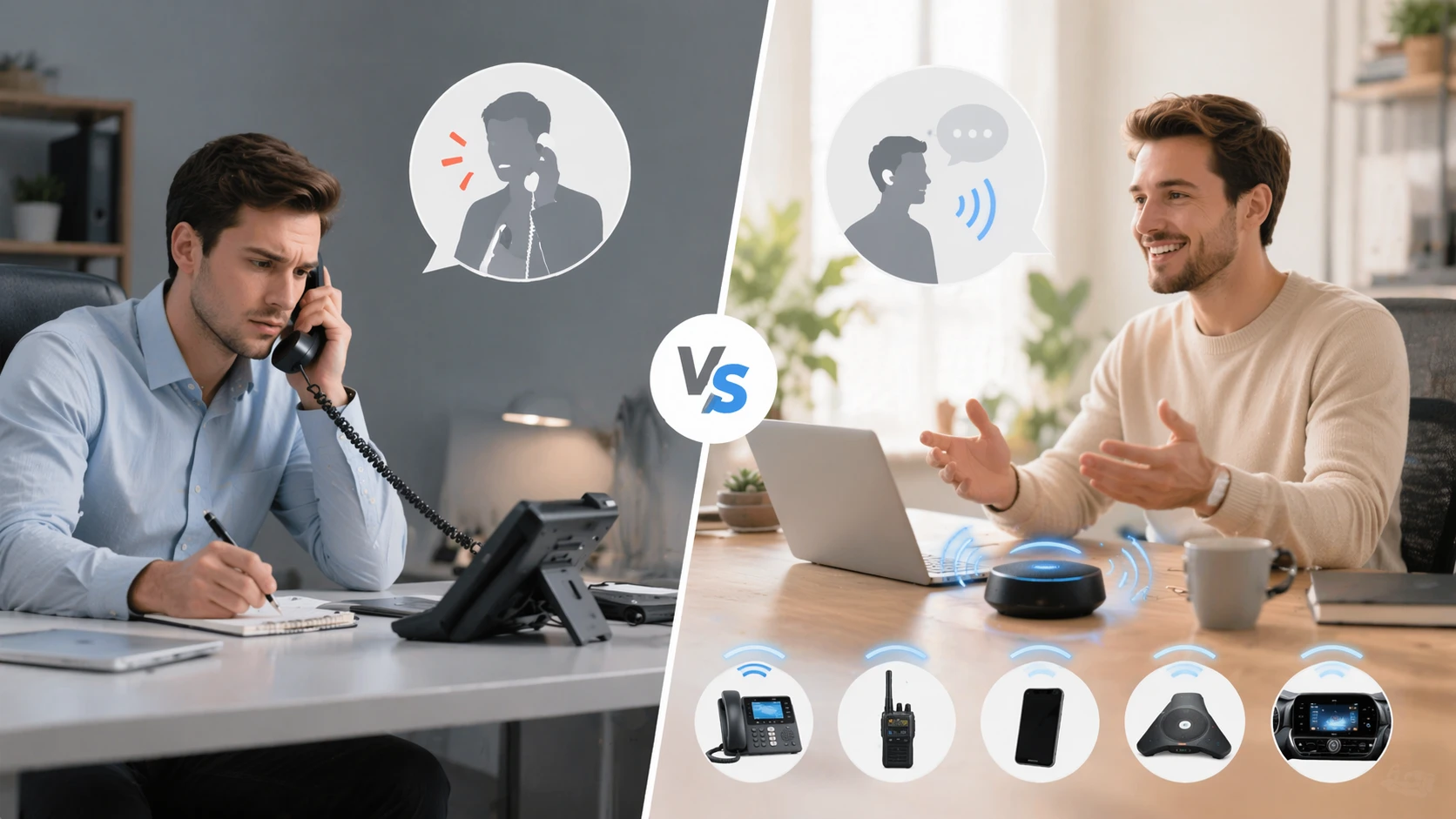
Hands-free calling allows users to communicate without holding a handset.
How Hands-Free Calling Works
Audio is captured and played through microphones and speakers
In a hands-free setup, the device uses a built-in or external microphone to capture the user’s voice and a speaker to output the remote party’s voice. The system processes the audio signals in real time to maintain a natural conversation flow.
Advanced systems may use multiple microphones to improve voice pickup and reduce background noise, especially in large rooms or noisy environments.
Echo cancellation and noise reduction are essential
One of the key technical challenges in hands-free communication is preventing echo and feedback. Since the speaker output can be picked up again by the microphone, systems use acoustic echo cancellation (AEC) algorithms to eliminate this loop.
Noise reduction technologies are also used to filter out ambient sounds, ensuring that the user’s voice remains clear even in busy or industrial environments.
Integration with telephony and communication platforms
Hands-free calling is typically integrated into telephony systems such as IP PBX, SIP servers, and mobile communication platforms. The feature can be activated through a speaker button, software control, or automatic mode depending on the device.
In some systems, hands-free operation is the default mode, especially in intercoms and emergency communication devices where immediate voice interaction is required.
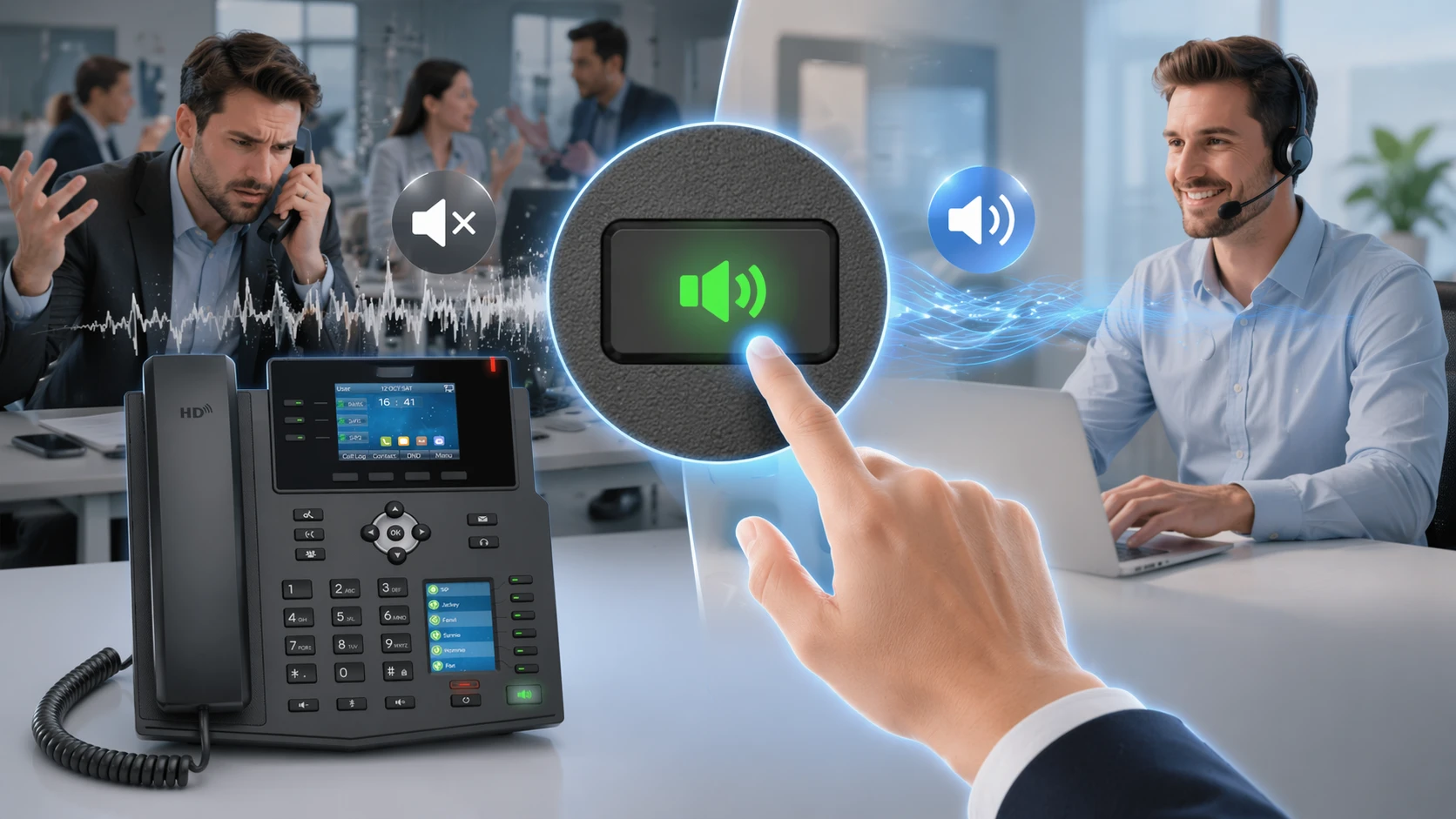
Main Features of Hands-Free Calling
Speakerphone functionality
The core feature of hands-free calling is the speakerphone, which allows audio to be played through a loudspeaker instead of a handset. This enables group listening and participation in conversations.
Speakerphones are commonly used in offices, meeting rooms, and shared workspaces where multiple people may need to join a call.
Microphone array and voice pickup
Modern devices often include multiple microphones or directional microphones to capture voice more accurately. This improves clarity and reduces the effect of distance between the user and the device.
High-quality voice pickup is particularly important in conference rooms, vehicles, and industrial settings.
Echo cancellation and audio processing
Hands-free systems rely heavily on digital signal processing technologies such as echo cancellation, noise suppression, and automatic gain control. These features ensure that conversations remain clear and natural.
Without proper audio processing, hands-free calls may suffer from echo, distortion, or background interference.
Easy activation and switching
Most devices allow users to switch between handset mode and hands-free mode easily. This can be done through a dedicated button, touchscreen interface, or software control.
This flexibility allows users to choose the most appropriate communication mode based on their environment and needs.
Effective hands-free calling depends on both hardware quality and advanced audio processing technologies.
Benefits of Hands-Free Calling
Improved safety in mobile and operational environments
One of the most important benefits of hands-free calling is safety. In vehicles, it allows drivers to communicate without holding a phone. In industrial environments, workers can stay connected while keeping their hands on tools or controls.
This reduces risk and supports compliance with safety regulations in many industries.
Greater convenience and flexibility
Hands-free calling allows users to multitask during communication. They can take notes, operate equipment, or collaborate with others while staying on the call. This improves productivity in both office and field environments.
It also makes communication more natural in situations where holding a device would be inconvenient.
Better collaboration in group settings
In meeting rooms and shared spaces, hands-free calling enables multiple participants to join a conversation without passing around a handset. This supports more efficient discussions and group decision-making.
Conference phones and integrated speaker systems are commonly used for this purpose.
Enhanced accessibility and usability
Hands-free calling improves accessibility for users who may have difficulty holding devices, such as elderly users or individuals with physical limitations. It also simplifies communication in environments where quick interaction is required.
This makes it an important feature in healthcare, public service, and assistive communication systems.
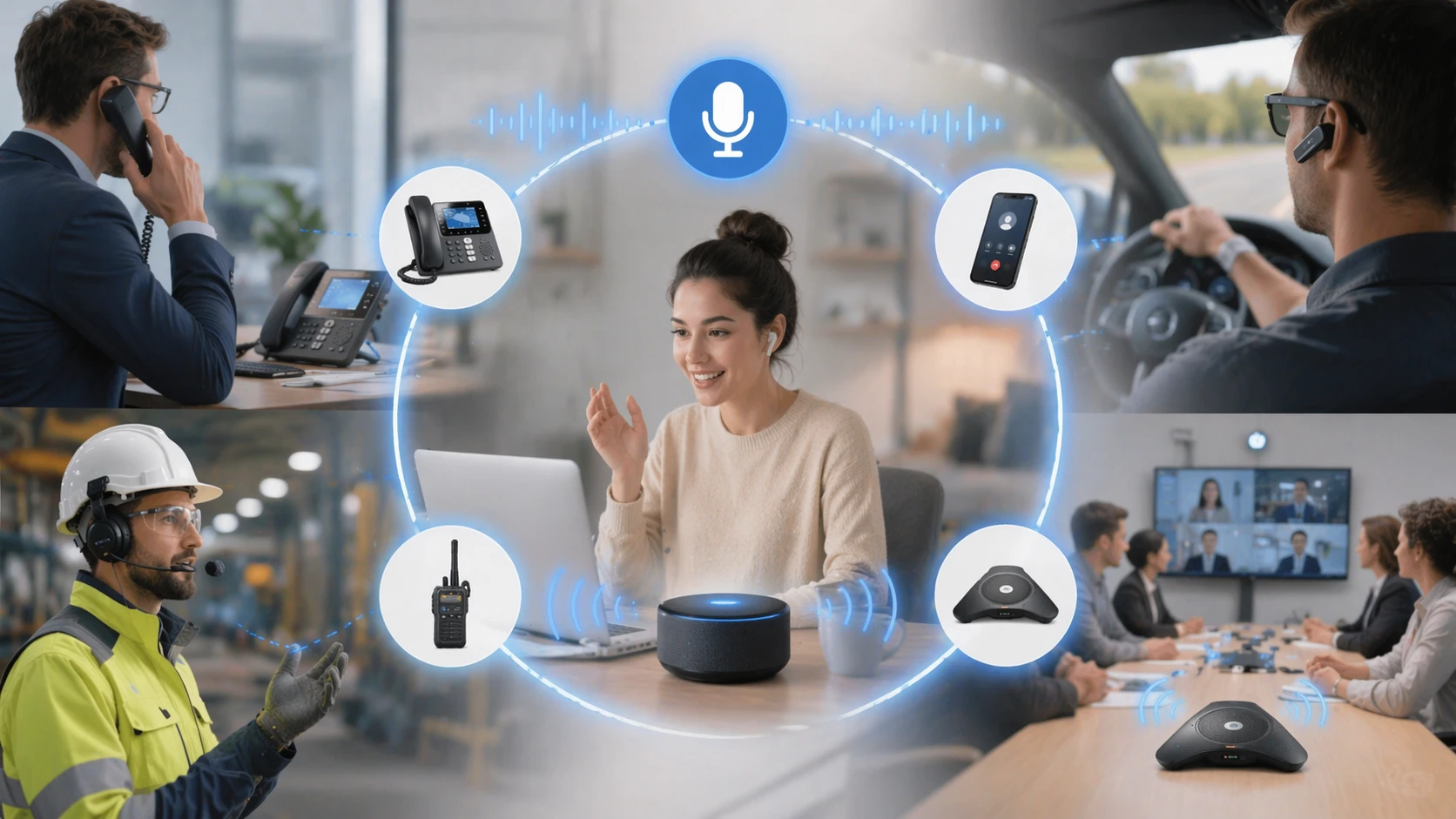
Hands-free calling enhances safety, flexibility, and collaboration across different environments.
Common Applications of Hands-Free Calling
Office and enterprise communication
Hands-free calling is widely used in office environments for desk phones, conference calls, and collaborative work. Employees can participate in calls while working on computers or sharing information with colleagues.
It is also commonly used in executive offices and open workspaces.
Automotive and transportation systems
In vehicles, hands-free calling is integrated into infotainment systems and Bluetooth connections. Drivers can answer calls, dial numbers, and communicate without taking their hands off the steering wheel.
This application is essential for safe driving and is often supported by voice control features.
Industrial and emergency communication
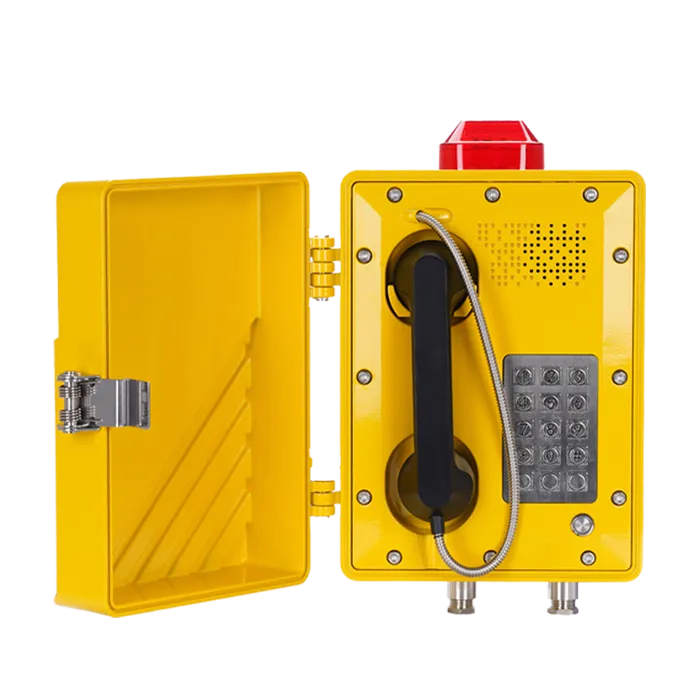
Hands-free functionality is critical in industrial environments, intercom systems, and emergency communication devices. Workers can communicate instantly without needing to handle a device, which is important in hazardous or time-sensitive situations.
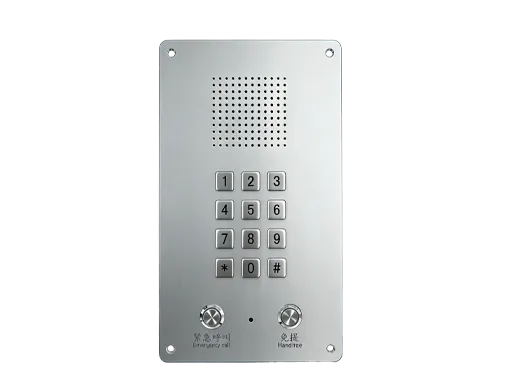
In emergency call stations and industrial telephones, hands-free operation allows immediate voice communication when a call is initiated.
Healthcare and public service environments
Hospitals, clinics, and public service facilities use hands-free communication to support quick interaction between staff. It allows personnel to communicate while performing tasks, improving efficiency and response time.
Hands-free systems are also used in patient communication and assistance devices.
Smart devices and unified communications
Modern smartphones, smart speakers, and UC platforms support hands-free calling through voice assistants and software integration. Users can initiate and manage calls using voice commands or minimal interaction.
This is increasingly important in remote work and smart office environments.
Hands-Free Calling vs Headset Calling
Hands-free calling uses open audio systems
Hands-free calling typically uses speakers and microphones that are not physically attached to the user. This allows communication without wearing any device, but it may expose audio to the surrounding environment.
It is best suited for open environments, group communication, or situations where convenience is more important than privacy.
Headset calling provides more privacy and focus
Headsets, on the other hand, provide direct audio to the user and reduce background noise. They are often preferred in call centers, offices, and environments where privacy and audio clarity are critical.
Both methods have their advantages, and many systems support switching between them.
Hands-free calling prioritizes convenience and accessibility, while headsets prioritize privacy and focused communication.
Conclusion
Hands-free calling is a widely used communication feature that allows users to make and receive calls without holding a device. By using microphones, speakers, and advanced audio processing technologies, it enables convenient, safe, and efficient communication across various environments.
Its applications range from office collaboration and vehicle communication to industrial operations and emergency systems. As communication technology continues to evolve, hands-free calling remains a fundamental feature that supports modern workflows and improves user experience.
FAQ
What is hands-free calling?
Hands-free calling is a feature that allows users to communicate without holding a phone, using speakers and microphones instead.
Does hands-free calling require special hardware?
It typically requires a device with a built-in speaker and microphone or an external audio system such as a car kit or conference speaker.
Is hands-free calling safe for driving?
Yes, it is designed to improve safety by allowing drivers to keep their hands on the wheel while communicating.
What is the difference between hands-free and speakerphone?
Speakerphone is a function that enables hands-free calling. Hands-free calling is the broader concept that includes speakerphone and related technologies.
Where is hands-free calling commonly used?
It is commonly used in offices, vehicles, industrial environments, healthcare facilities, and smart communication systems.