A duty room is a staffed operational space where assigned personnel monitor systems, receive reports, coordinate communication, and respond to routine events or urgent incidents. It is commonly used in facilities that require continuous supervision, such as industrial plants, campuses, transport systems, utilities, hospitals, government sites, security operations, and emergency communication environments.
In practical terms, a duty room serves as a control and coordination point. It is the place where operators, supervisors, dispatchers, security staff, or maintenance teams stay on watch, manage alarms, communicate with field personnel, and keep essential services running. Depending on the organization, a duty room may be simple and local, or it may be a highly integrated operational center connected to telephony, intercom, radio, CCTV, alarm platforms, paging systems, and software dashboards.
A duty room is not just a room with staff on standby. It is an organized operational node for monitoring, communication, coordination, and immediate response.
Understanding the Meaning of a Duty Room
A duty room is built for continuous operational coverage
The term duty room usually refers to a room where personnel are assigned to remain on duty during a defined shift. Their role is to maintain awareness of ongoing conditions, receive incoming information, and take action when necessary. Unlike a normal office, a duty room is organized around readiness, supervision, and response rather than general administrative work.
Because of this, duty rooms are often active around the clock or during all critical operating hours. In some facilities, they support routine daily supervision. In others, they are part of a larger emergency management structure and become especially important during alarms, system faults, safety events, or security incidents.
The function of a duty room depends on the operating environment
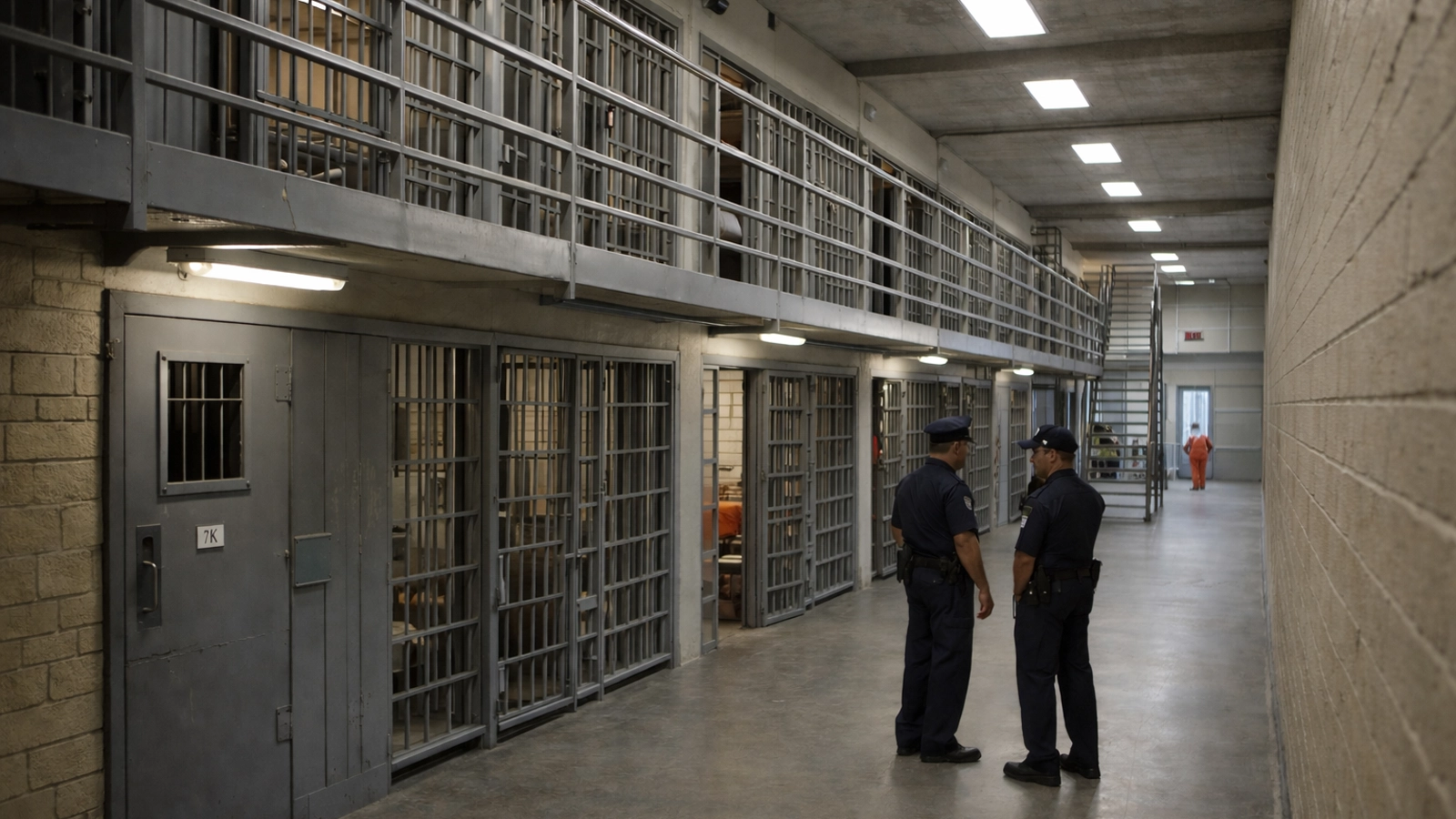
Not all duty rooms perform the same job. In a factory, the duty room may focus on equipment status, fault reporting, industrial communication, and incident escalation. In a hospital, it may coordinate calls, internal notifications, and on-duty support teams. In a transport hub, it may link field staff, public address systems, video surveillance, and emergency response processes.
This means the meaning of a duty room is broader than a simple guard post or reception desk. It is better understood as an operational service point where information is collected, decisions are made, and action is coordinated in real time.
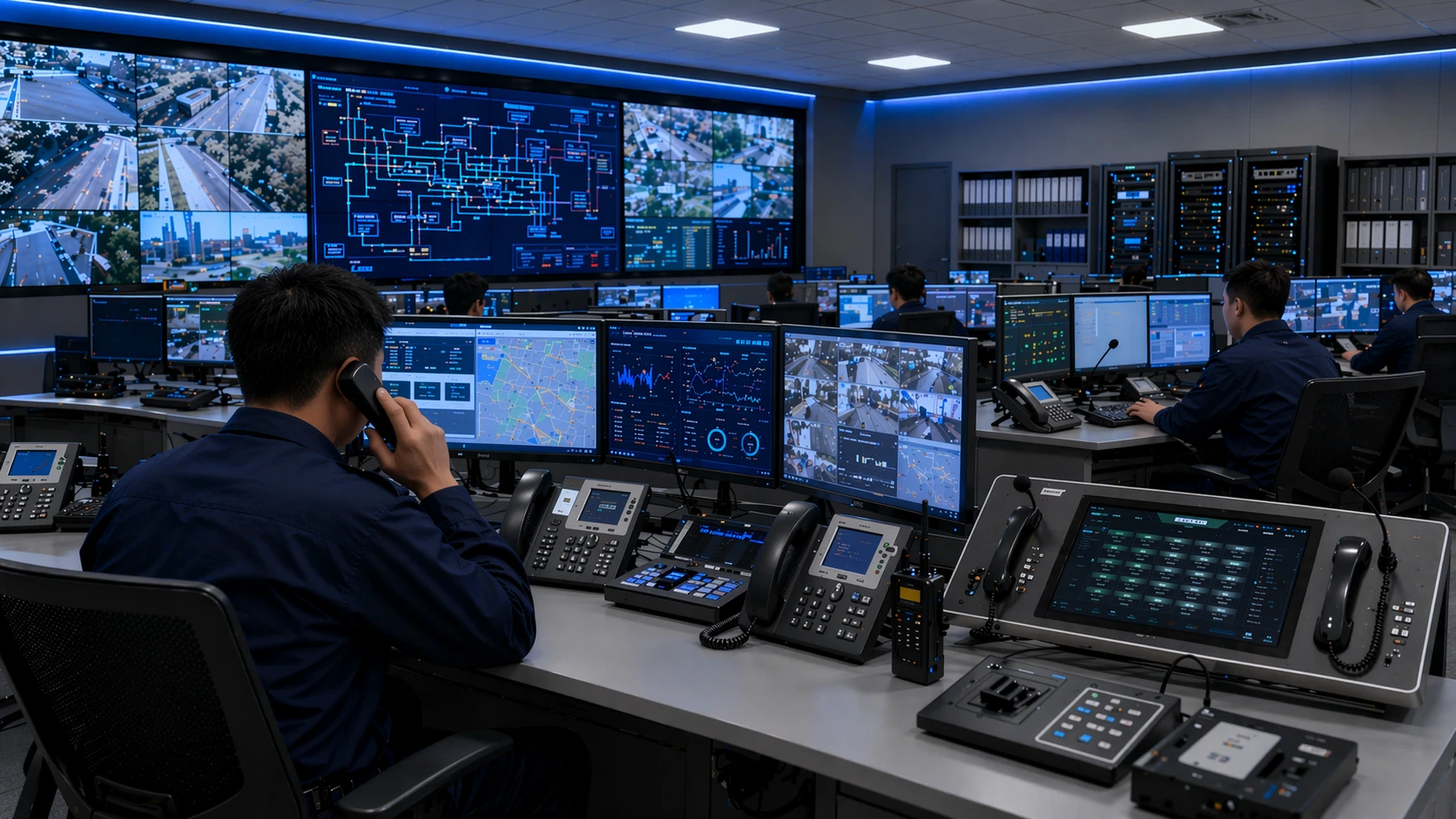
A duty room provides a central space for monitoring, communication, and operational response.
How a Duty Room Works
Incoming information is collected from multiple channels
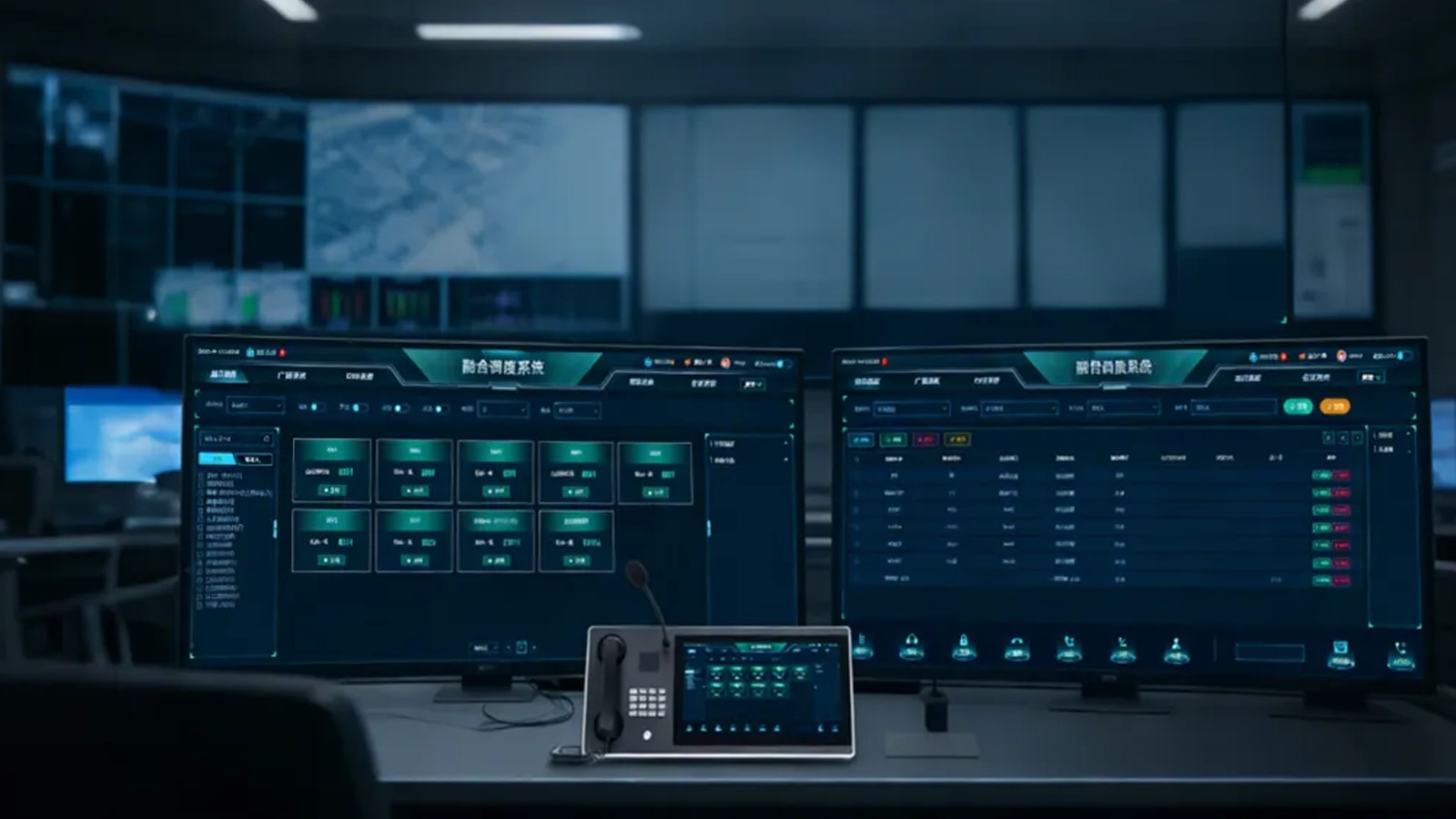
A duty room typically receives information from several sources at the same time. These may include telephone calls, SIP intercom calls, emergency help points, radio systems, alarm platforms, access control events, building management systems, public address systems, and CCTV feeds. Operators on duty review these inputs, confirm the nature of the event, and decide what action should follow.
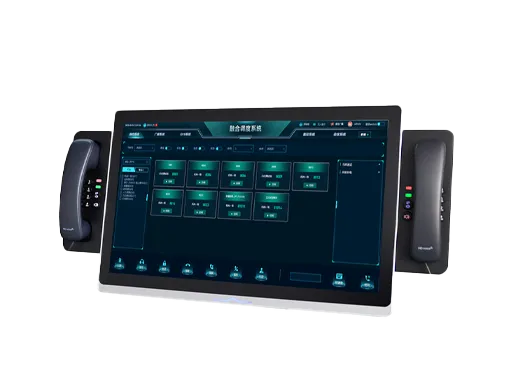
In more advanced installations, these inputs are integrated into a unified interface. Instead of switching between disconnected systems, staff can view alarms, answer calls, check video, trigger broadcasts, and log incidents through a centralized platform. This improves response speed and reduces the chance of missing critical information.
Operators assess, communicate, and dispatch actions
Once an event reaches the duty room, the next step is assessment. Staff determine whether the event is routine, technical, safety-related, or urgent. They may call back the reporting point, talk to field personnel, open live video, notify supervisors, or initiate a predefined workflow. In some environments, the duty room also serves as the first escalation point for abnormal events.
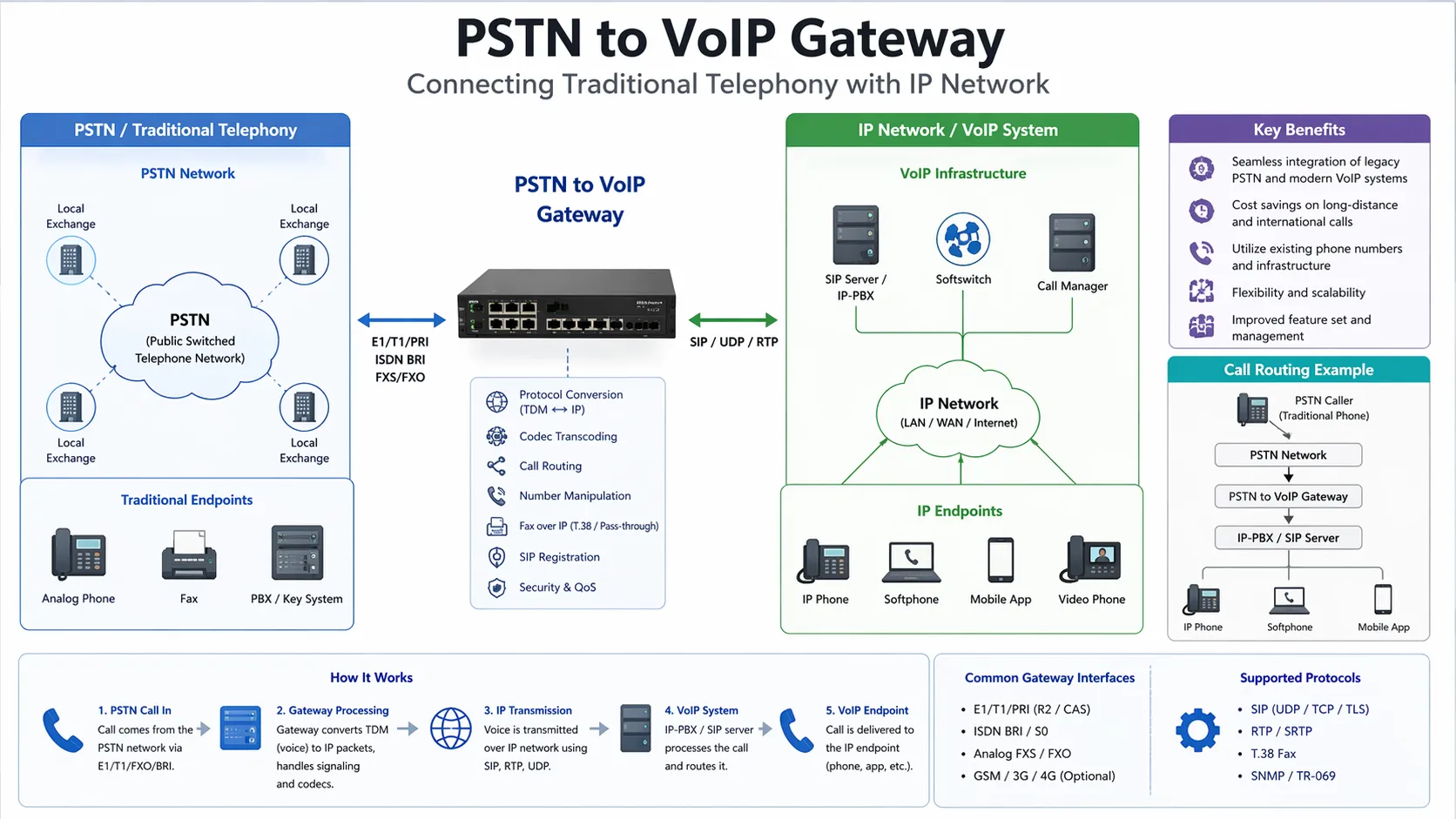
Communication is one of the most important working mechanisms in a duty room. The room usually connects to desk phones, industrial telephones, intercom terminals, dispatch consoles, radio gateways, or paging microphones. This allows the duty team to coordinate between internal departments, maintenance crews, security teams, and off-site responders.
Operational records and shift continuity are maintained
A duty room does not only react in the moment. It also maintains continuity between shifts. Logs, handover notes, incident records, event histories, and duty reports help ensure that important information is not lost when personnel change. This is especially important in twenty-four-hour environments where unresolved issues may continue across several shifts.
Many modern duty rooms use digital logging systems to record event times, staff actions, communication history, and response outcomes. These records support accountability, trend analysis, compliance review, and operational improvement over time.
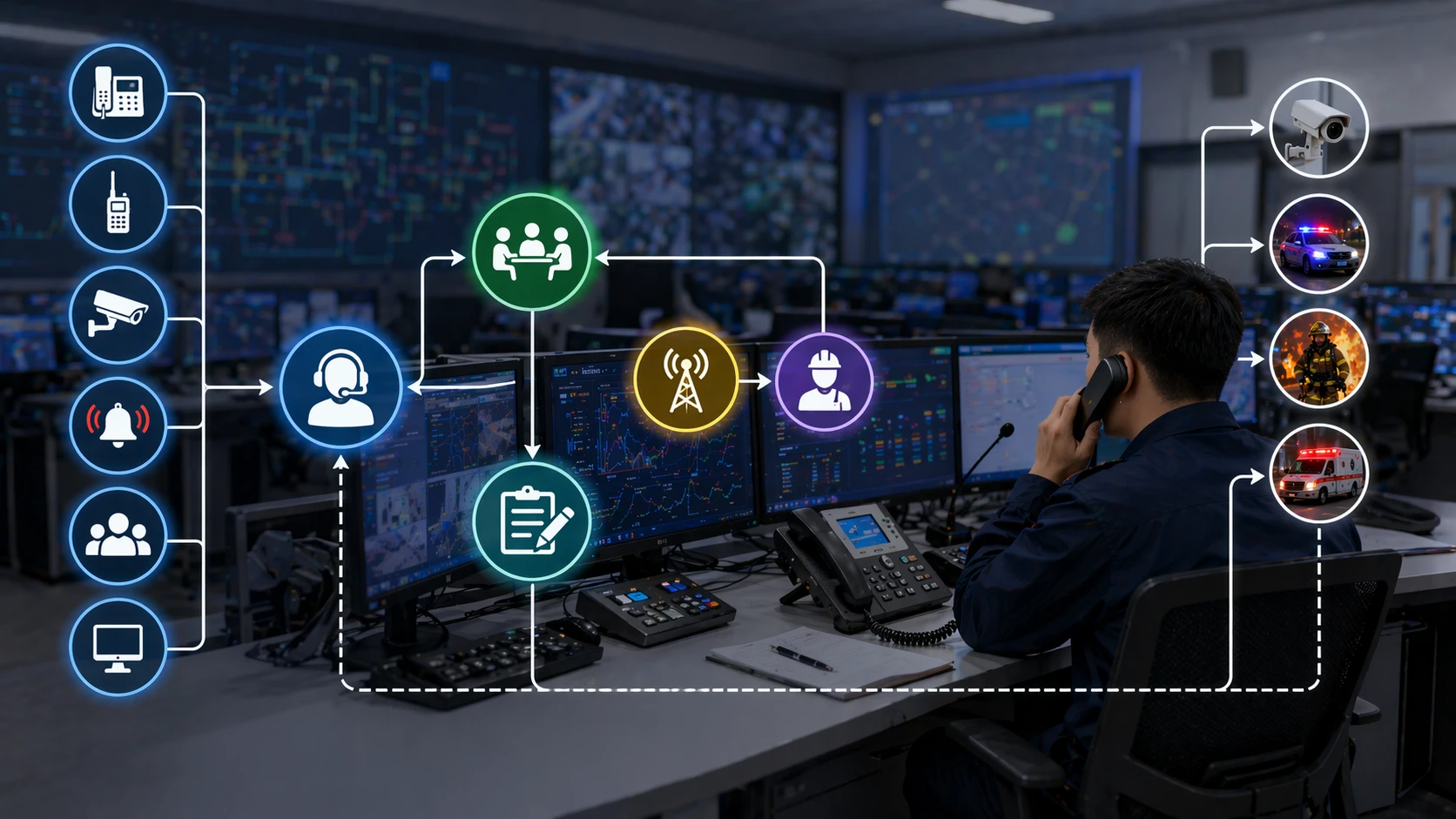
Duty room workflows usually combine alarm intake, communication handling, assessment, dispatch, and reporting.
Main Components of a Duty Room
Communication equipment and dispatch tools
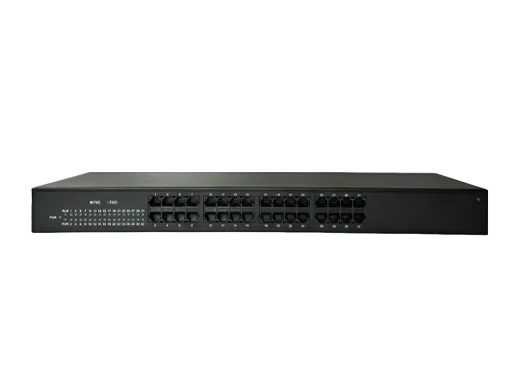
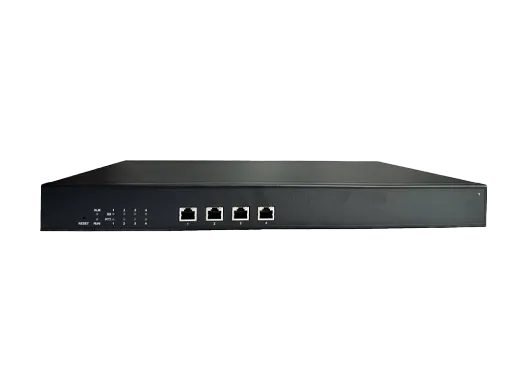
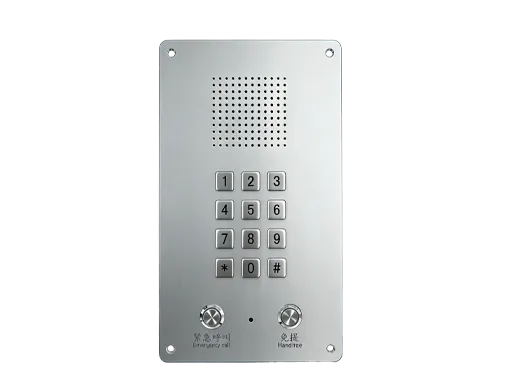
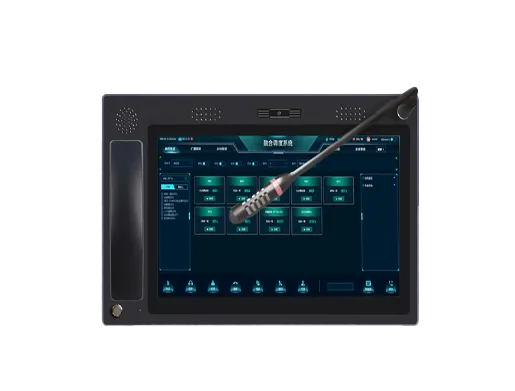
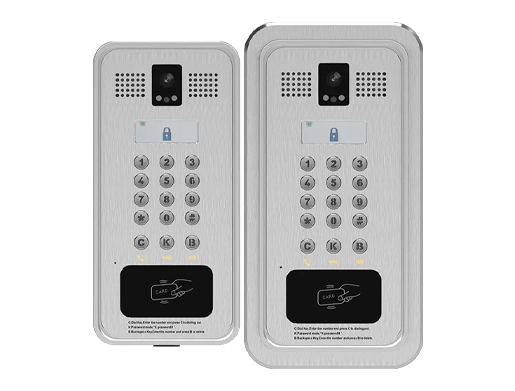
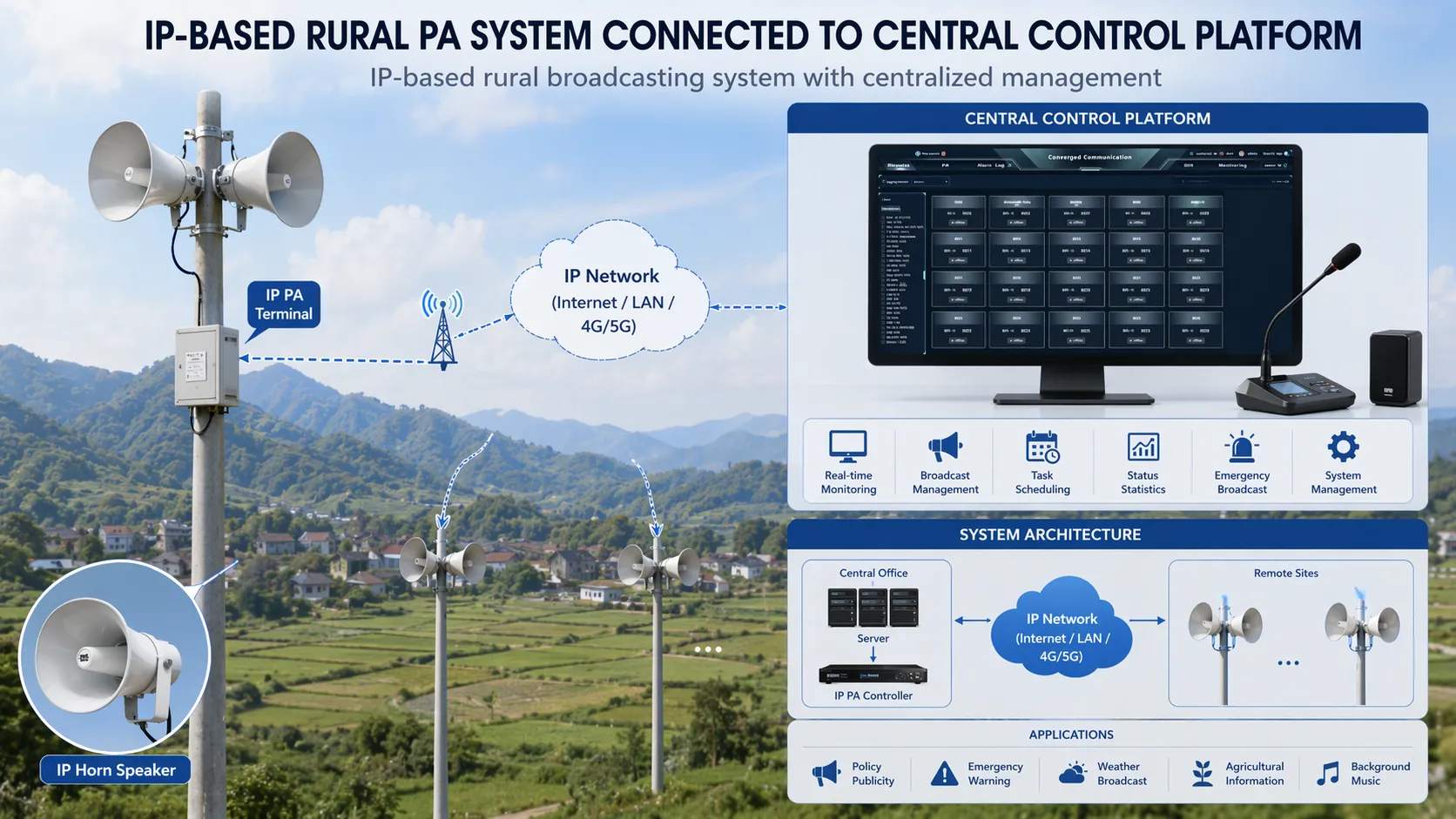
Most duty rooms rely on strong communication infrastructure. This may include IP phones, SIP-based intercoms, industrial telephones, radio consoles, dispatch software, paging microphones, loudspeaker broadcast controls, and emergency call interfaces. The exact combination depends on whether the environment is industrial, commercial, public safety oriented, or facility based.
In integrated systems, these tools work together rather than separately. For example, an incoming help point call may automatically appear on the duty room console, while linked video opens on screen and the operator gains immediate access to paging or escalation options.
Monitoring displays and status interfaces
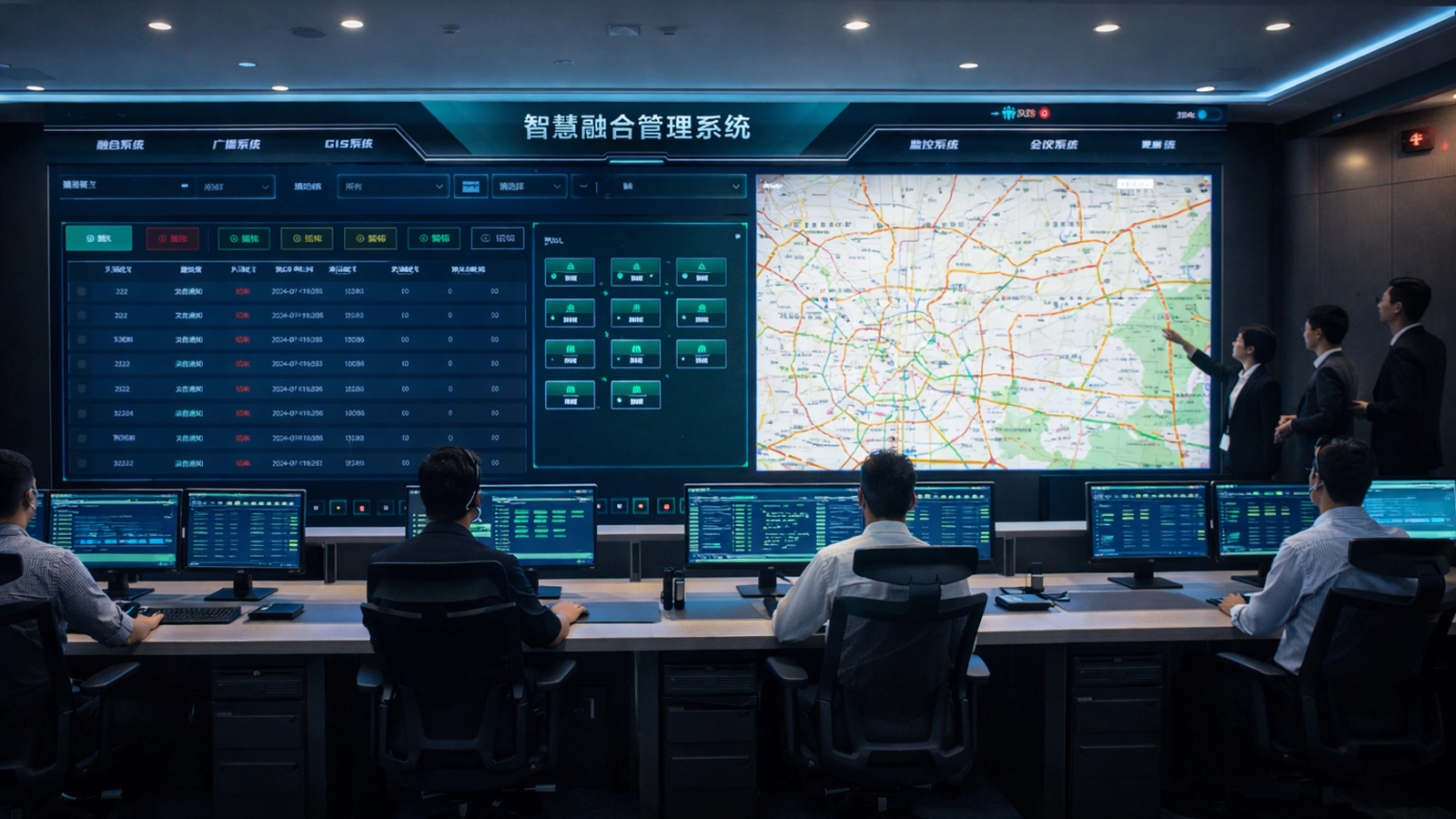
Duty rooms often include monitors or video walls showing live cameras, alarm status, communication activity, maps, access events, or equipment health data. These visual tools improve situational awareness by allowing operators to understand what is happening without relying on voice reports alone.
For high-demand sites, screen layout and interface design are important. Operators must be able to identify priority events quickly and avoid visual overload. A well-designed duty room interface supports rapid recognition rather than unnecessary complexity.
Logging, documentation, and workflow support
Even a highly connected duty room still needs clear process support. Standard operating procedures, escalation paths, event categories, duty schedules, contact lists, and digital logs are all part of effective operation. Technology alone does not make a duty room efficient. The working process around the technology is equally important.
That is why duty rooms often include both communication equipment and management tools. Together, they support response quality, staff coordination, and shift-to-shift operational consistency.
Benefits of a Duty Room
Centralized monitoring and faster awareness
One of the main benefits of a duty room is centralized visibility. Instead of leaving alarms, calls, and status information scattered across separate locations, the organization creates a dedicated point where events can be seen and addressed quickly. This shortens the time between event detection and response.
Centralized awareness is particularly important in large sites, multi-building environments, transport systems, industrial facilities, and critical infrastructure operations where information may come from many sources at once.
Improved communication during routine and emergency events
A duty room gives organizations a structured communication hub. Staff can answer incoming calls, contact field teams, issue announcements, notify supervisors, and coordinate with other departments from one operational location. During emergencies, this communication role becomes even more valuable because response depends on fast and accurate information flow.
Without a clear duty room structure, messages may be delayed, duplicated, or lost between departments. A well-run duty room helps prevent confusion and supports more disciplined incident management.
Better shift management and operational continuity
Because duty rooms are organized around shifts, they support continuity over time. Incoming teams can review active issues, understand what has already been done, and continue handling open events without starting from zero. This reduces operational gaps and improves consistency.
In environments with twenty-four-hour operations, continuity is one of the most practical advantages. It helps organizations maintain reliability even when staff rotate frequently.
Stronger accountability and incident traceability
When a duty room uses clear procedures and event logging, it becomes easier to review who received an alert, what action was taken, when escalation occurred, and how the event was resolved. This improves accountability and supports audits, post-incident review, compliance reporting, and service quality improvement.
For management teams, traceability is often as important as live response. It turns operational activity into data that can be reviewed and improved.
A good duty room improves not only response speed, but also clarity, coordination, and traceability across the entire operation.
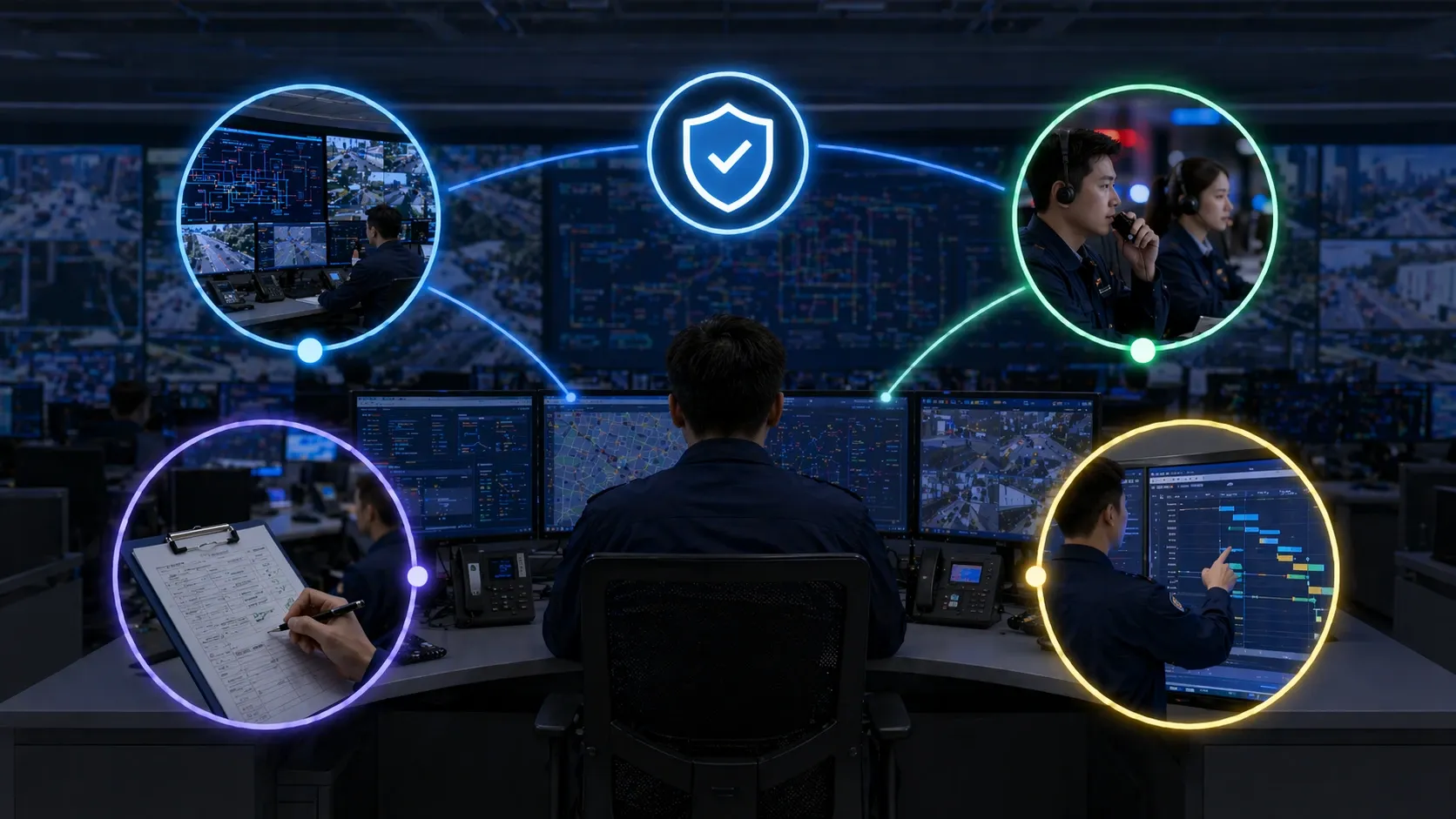
Duty rooms help organizations centralize awareness, improve coordination, and maintain operational continuity.
Common Applications of Duty Rooms
Industrial plants and utility facilities
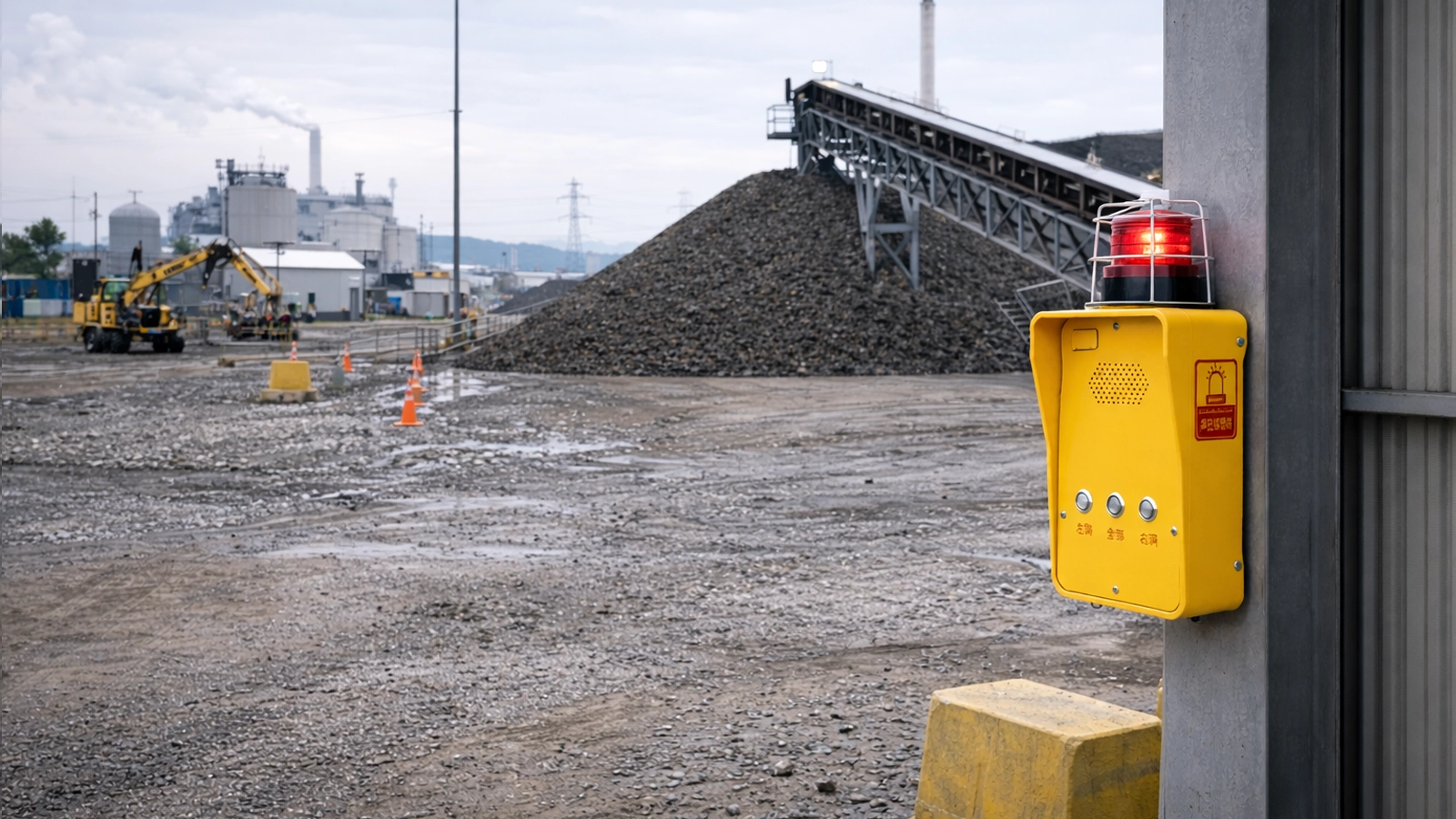
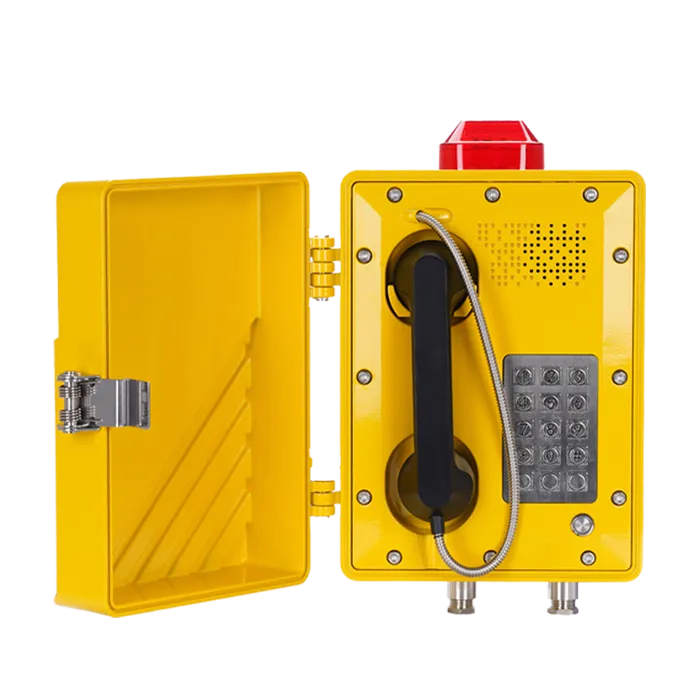
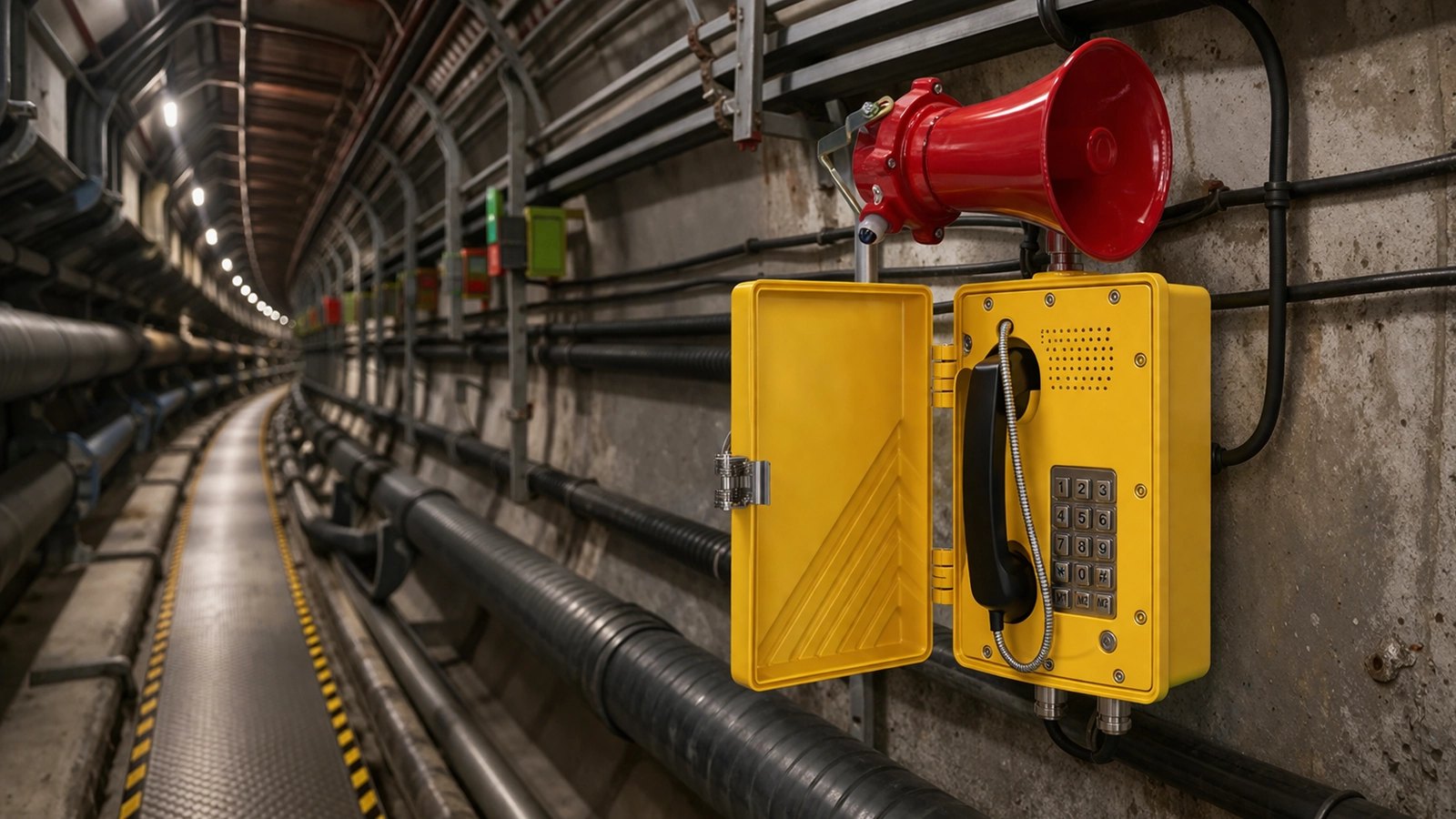
In industrial and utility environments, duty rooms are often used to supervise communications, equipment status, alarms, maintenance requests, and field incidents. They may connect to industrial telephones, explosion-proof communication devices, paging systems, CCTV, and plant monitoring software. Their role is to support safe, continuous operation and rapid escalation when abnormal conditions appear.
This is especially useful in petrochemical, power, mining, tunnel, water treatment, and offshore environments where communication delays can affect safety and operational continuity.
Campuses, buildings, and facility management
Large campuses, office parks, schools, hospitals, and public buildings often use duty rooms to coordinate internal calls, visitor incidents, technical faults, access events, and emergency notifications. The duty room may also serve as the point where building staff receive trouble reports and dispatch support personnel.
When integrated with intercoms, cameras, and public address systems, the duty room becomes a more capable facility response center rather than only an administrative point of contact.
Transport and infrastructure operations
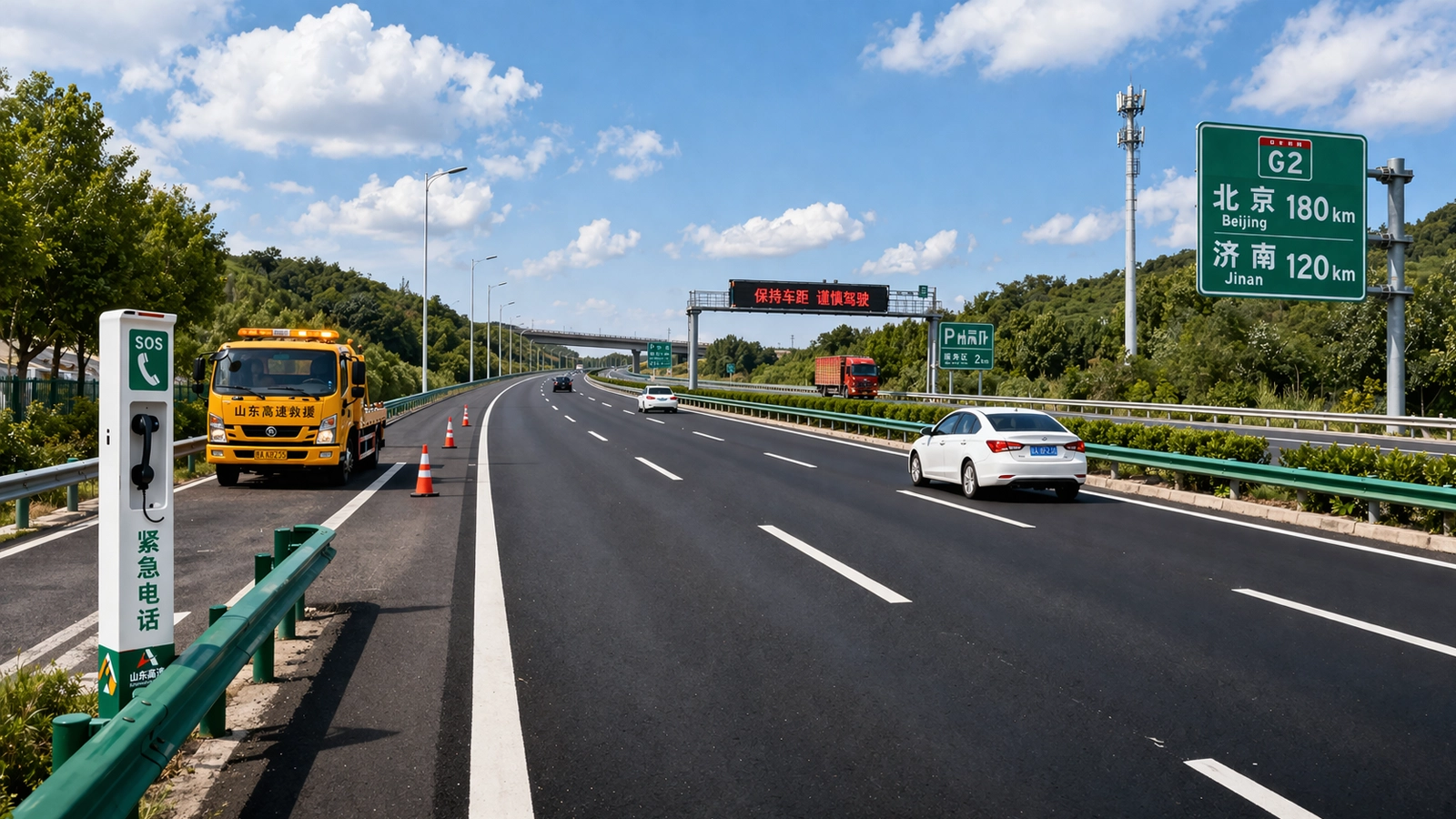
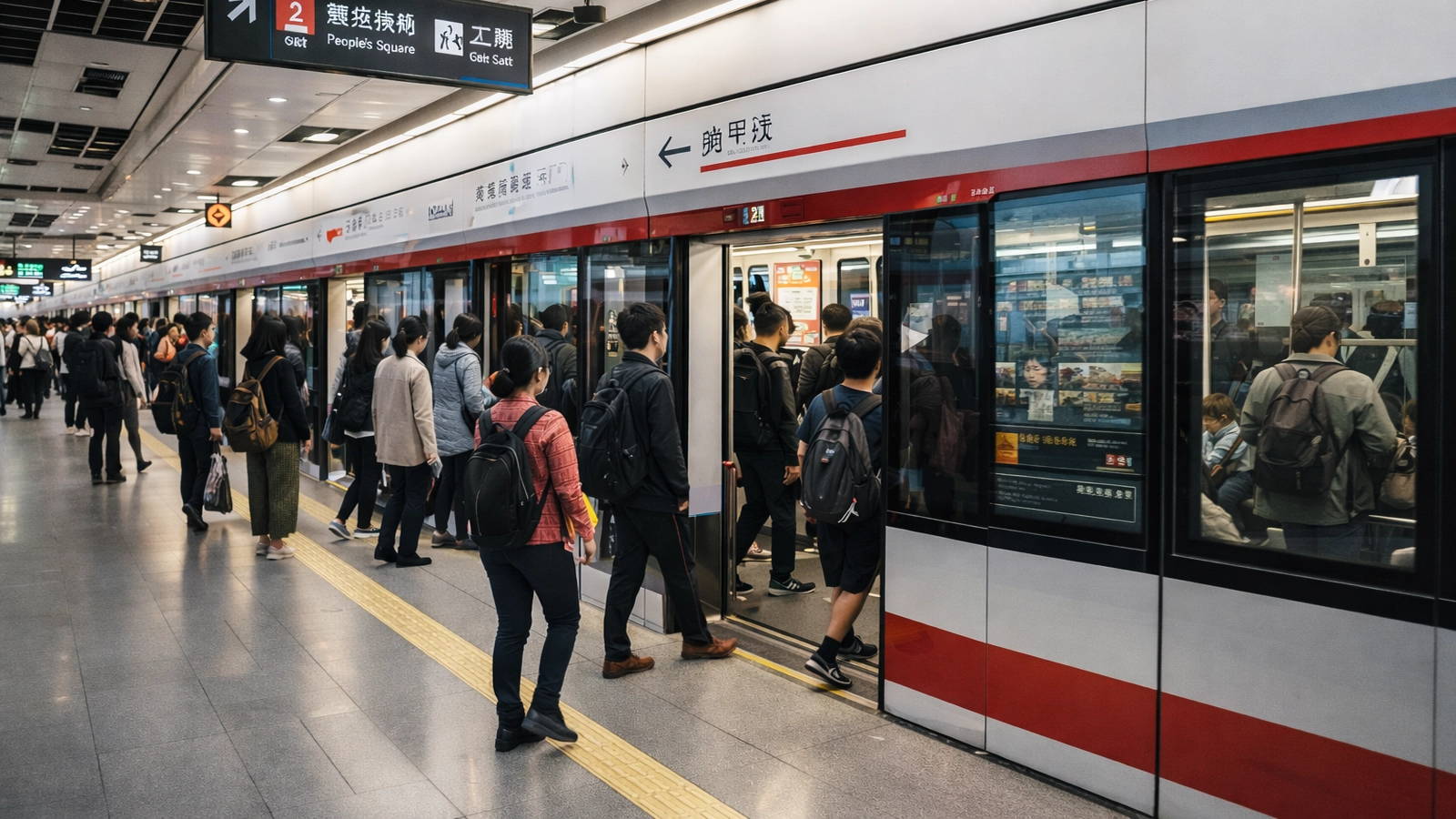
Duty rooms are widely used in highways, rail systems, tunnels, airports, ports, and municipal infrastructure environments. In these sectors, they may receive roadside help calls, equipment alarms, field radio traffic, and surveillance events. Staff on duty use the room to coordinate maintenance, security, and emergency response across distributed operational areas.
Because transport environments often include both public safety and operational efficiency requirements, the duty room plays a key role in maintaining order, communication, and event control.
Security and emergency response organizations
Security departments, command centers, and emergency communication teams may use duty rooms as the first receiving point for alerts and reports. While large organizations may also have a full control center, the duty room often remains the practical shift-based operational post that handles immediate communication and early response actions.
In some cases, the duty room acts as the local command point until a broader emergency management structure is activated.
Duty Room vs Control Room
A duty room is usually staff-centered and response-oriented
A duty room is generally defined by the people on duty and the operational responsibility they hold during a shift. Its core purpose is to receive information, stay ready, coordinate communication, and manage events as they happen. It may include monitoring screens and control tools, but its identity is closely tied to duty coverage and response workflow.
Because of this, even a modest room with phones, logs, and alarm access can still be a duty room if it is structured around active supervision and on-duty responsibility.
A control room is usually system-centered and control-oriented
A control room often has a stronger emphasis on monitoring and controlling technical systems, such as process automation, traffic systems, utility distribution, or plant operations. While staff are obviously present, the term control room usually highlights system control functions and large-scale monitoring capability.
In real projects, the two terms may overlap. Some facilities combine both roles in one room, while others keep them separate. A duty room may feed events into a central control room, or a control room may also function as the duty room during staffed shifts.
In many facilities, a duty room handles people, events, and communication workflows, while a control room focuses more heavily on system supervision and operational control.
Best Practices for Building an Effective Duty Room
Design around workflow, not only equipment
A duty room should be planned around what staff actually need to do during a shift. This includes how they receive alerts, how they verify events, how they contact field teams, how they escalate incidents, and how they document actions. Simply placing screens and phones in a room is not enough if the workflow remains unclear.
Organizations should define event categories, escalation rules, communication priorities, and handover processes before finalizing the technical setup.
Integrate key systems where possible
Fragmented systems slow down response. When possible, telephony, intercom, CCTV, alarm management, public address, radio, and reporting tools should be integrated into a unified duty room workflow. This reduces switching time and helps staff maintain situational awareness during busy periods.
Integration is especially valuable in emergency communication environments because operators often need to verify, communicate, and broadcast within a short time window.
Support staff comfort and long-shift usability
Duty room personnel may spend long hours on watch. Ergonomic seating, clear screen layout, proper lighting, controlled noise, and accessible device placement all improve performance over time. Human factors are critical because the room is only effective if staff can work reliably through extended shifts.
A well-designed duty room supports concentration, reduces fatigue, and improves response quality during both routine monitoring and high-pressure incidents.
Conclusion
A duty room is a dedicated operational space where on-duty personnel monitor information, handle communication, coordinate responses, and maintain service continuity. It works by bringing together calls, alarms, status data, visual monitoring, and workflow procedures into a single staffed environment designed for readiness and action.
Its value lies in faster awareness, clearer coordination, stronger continuity between shifts, and better traceability of operational events. Whether used in industrial plants, transport networks, campuses, hospitals, utilities, security teams, or emergency communication systems, a duty room remains an essential part of organized and responsive operations.
FAQ
What is the purpose of a duty room?
The purpose of a duty room is to provide a staffed location where assigned personnel can monitor conditions, receive calls or alarms, coordinate communication, and respond to operational or emergency events.
What equipment is usually found in a duty room?
A duty room may include telephones, SIP intercoms, dispatch consoles, radios, alarm interfaces, CCTV displays, public address controls, logging systems, and facility monitoring software.
Is a duty room the same as a control room?
Not always. A duty room is usually focused on on-duty staffing, communication, and response coordination, while a control room is often more focused on monitoring and controlling technical systems. In some facilities, both roles are combined.
Where are duty rooms commonly used?
Duty rooms are commonly used in industrial plants, hospitals, campuses, transport systems, utilities, government buildings, security operations, and emergency communication environments.
Why is a duty room important in emergency response?
A duty room is important in emergency response because it centralizes incoming information, supports fast communication, helps operators verify events, and provides a clear point for dispatching actions and escalating incidents.